


in 2030 In Vilnius more than half of public transport will be electric
January 23, 2026 | by EngineGeek Editorial
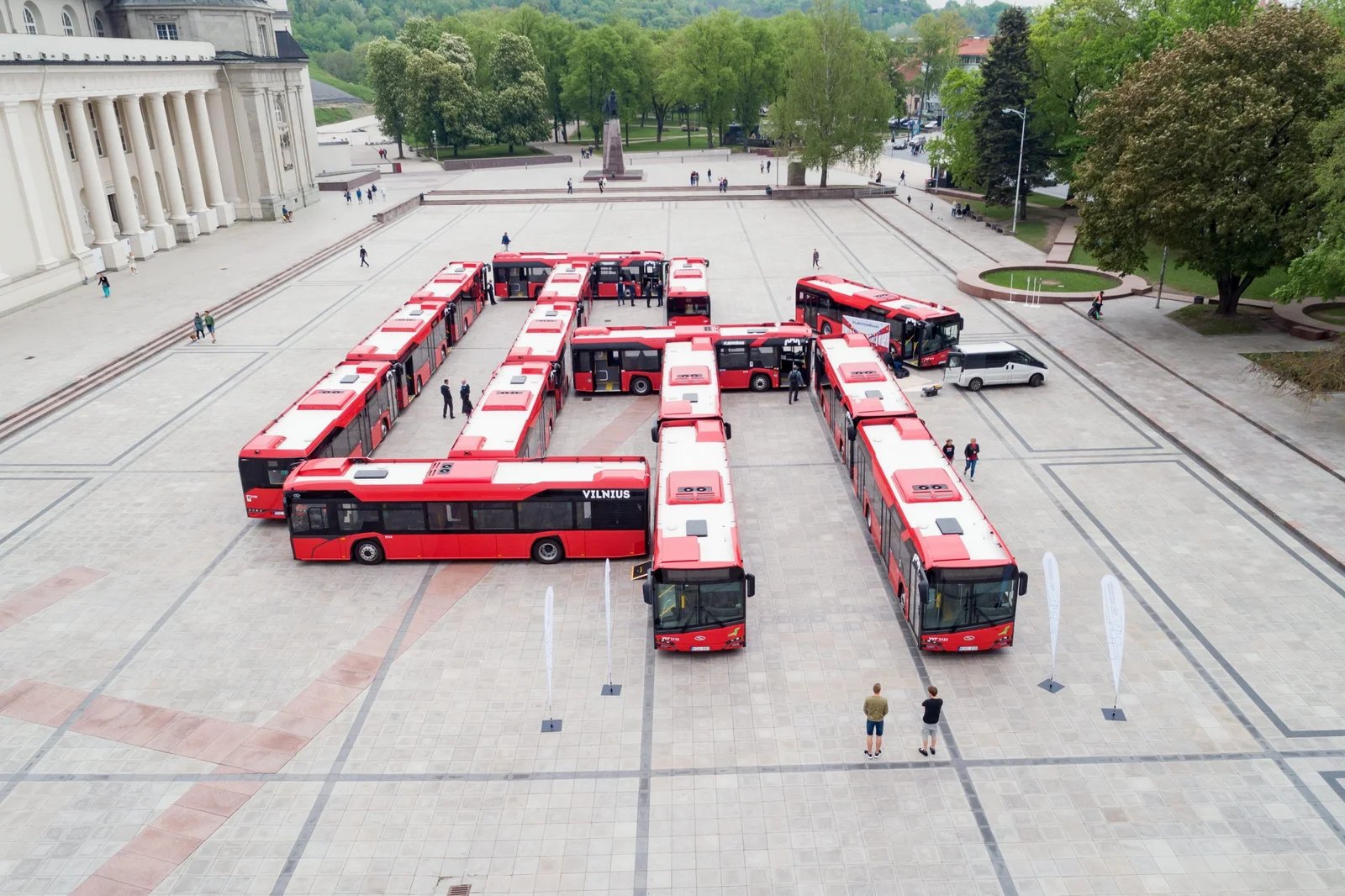
The capital’s public transport fleet, which has been renewed at record levels, awaits even bigger changes: by 2030, at least 55% of all vehicles are expected to be electric and another 45% powered by alternative fuels. It is planned to double the network of A lanes, to offer passengers flexible payment methods to make traveling by public transport quicker and more comfortable. Furthermore, the city will effectively use the existing contact network of trolleybuses and other infrastructure of the public transport system.
“We remember the times when the quality of a trip by public transport was measured by whether the bus arrived or whether it did not break down along the way. Over the course of several years we have renewed the public transport fleet in Vilnius at a record level, but the expectations of Vilnius residents for transport in the city are becoming even more demanding: comfortable, modern, fast – good, but more environmentally friendly, electric, suitable for disabled people, modern – even better. Our public transport strategy for the decade aims at speed, convenience, ecology – in the renovated fleet, even more than half of the vehicles will be powered by electricity, all buses that will take part in traffic will be new and their average age will be five years”, says the mayor of the city of Vilnius Remigijus Šimašius.
It is estimated that the renovation of public transport will cost citizens just over half a million euros a year. Over the next decade, a total of 245.26 million would be allocated for the purchase of buses and trolleybuses. euro, including private investments. It is planned to purchase electric and gas buses and trolleybuses, some of which will be autonomous. 52.37 million should be allocated to new infrastructure or its renovation – construction of the A lanes, installation of stops and video panels within them, renovation of the contact network, electric charging stations and gas refueling stations – and a new electronic ticketing system. euro.
The renovation is based on service quality, ecology and financial sustainability
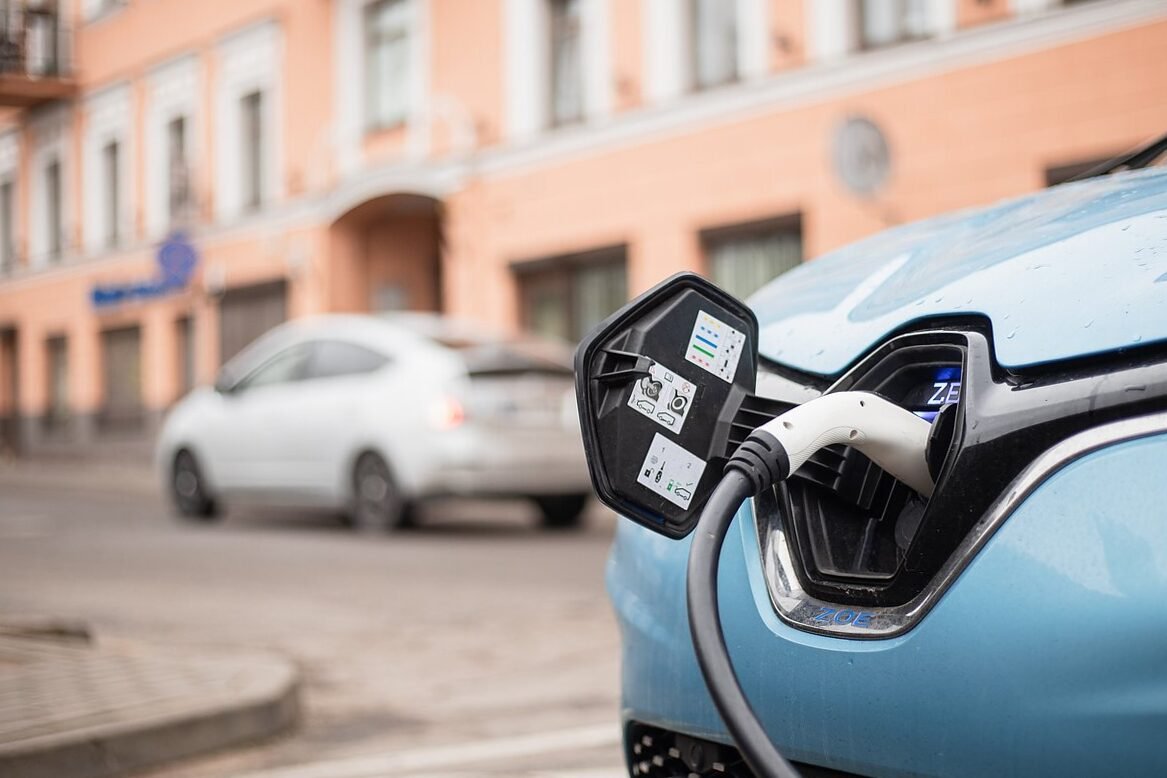
The public transport renewal plan was prepared based on a feasibility study carried out this autumn. Its purpose was to provide specific decisions on when and which vehicles the city should purchase and how to upgrade the infrastructure. Community and national pollution reduction requirements and the sustainable mobility plan of the city of Vilnius were taken into account. Also included are an analysis of existing infrastructure in Vilnius, evaluation of good practices from other countries and technological solutions offered on the market.
The result of the study in choosing the combination of vehicles, when the fleet is renewed with electric, gas buses and autonomous and rope-operated trolleybuses, was based on the following main criteria: improvement of service quality, urban harmony and ecology, financial sustainability.
Firstly, Vilnius aims to improve the entire experience of traveling by public transport and the quality of services: accessibility of public transport, convenient and safe waiting at the stop, information of passengers, convenient and fast travel by bus or trolleybus, purchase of tickets and other services.
Secondly, the city aims to reduce the negative impact of transport on the environment, so when renewing the fleet it will only purchase vehicles that meet the highest environmental requirements. Public transport will be appropriately integrated with the city’s other sustainable mobility modes, thus creating a cleaner, more comfortable and pleasant environment for people.
To achieve a financially optimal option
a plan has been drawn up not only for the acquisition of new infrastructure, but also for the efficient use of the existing one. In Vilnius, the update of the contact trolleybus network is planned, for this there will be specific phases and deadlines.
“The quality of trips by public transport in Vilnius will continue to improve, we aim for each vehicle to be adapted to people with special mobility needs. We have set ourselves the goal that within the next decade, the modal distribution of trips in the city will be as follows: a third will be by public transport, by car, on foot, about 8% by bicycle and the rest by other means. For example, currently there are 36 kilometers of A-lanes in Vilnius, and by 2030 there will be approximately 60 kilometers in 2018. By making the decision to make getting around the city by public transport, cycling, walking, etc. as convenient as possible, Vilnius is moving towards this proportion,” says Modesta Gusarovienė, director of Susisiekimo paslaugso.
The plan for the modernization of the public transport fleet has begun to be presented to the municipal committees of the city of Vilnius and will be submitted to the Council for consideration on December 9. After the approval of the public transport renewal plan by the Council members, in phases until 2030, specific tenders for carrier selection, vehicle purchase and others will be organized.
RELATED POSTS
View all


Hundreds of car buyers fall victim to scammers every year. How to avoid it?
January 23, 2026 | by EngineGeek Editorial
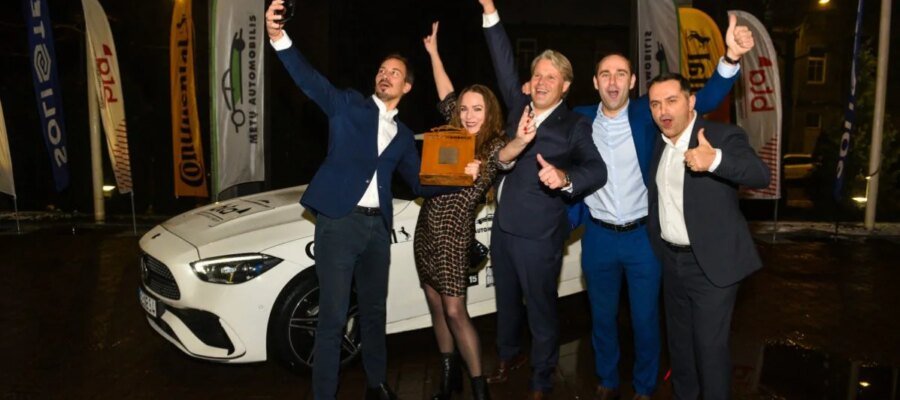
Mercedes-Benz C-Class became the Lithuanian car of the year
January 23, 2026 | by EngineGeek Editorial