Car colors: how to create a futuristic image and how to create a luxurious image?
January 23, 2026 | by EngineGeek Editorial
Statistics show that as many as 39% of all cars in the world are white. According to paint manufacturer BASF, the same number of vehicles are painted black, gray or silver in 2019. This means that almost 80% of all cars have one of the four achromatic shades.
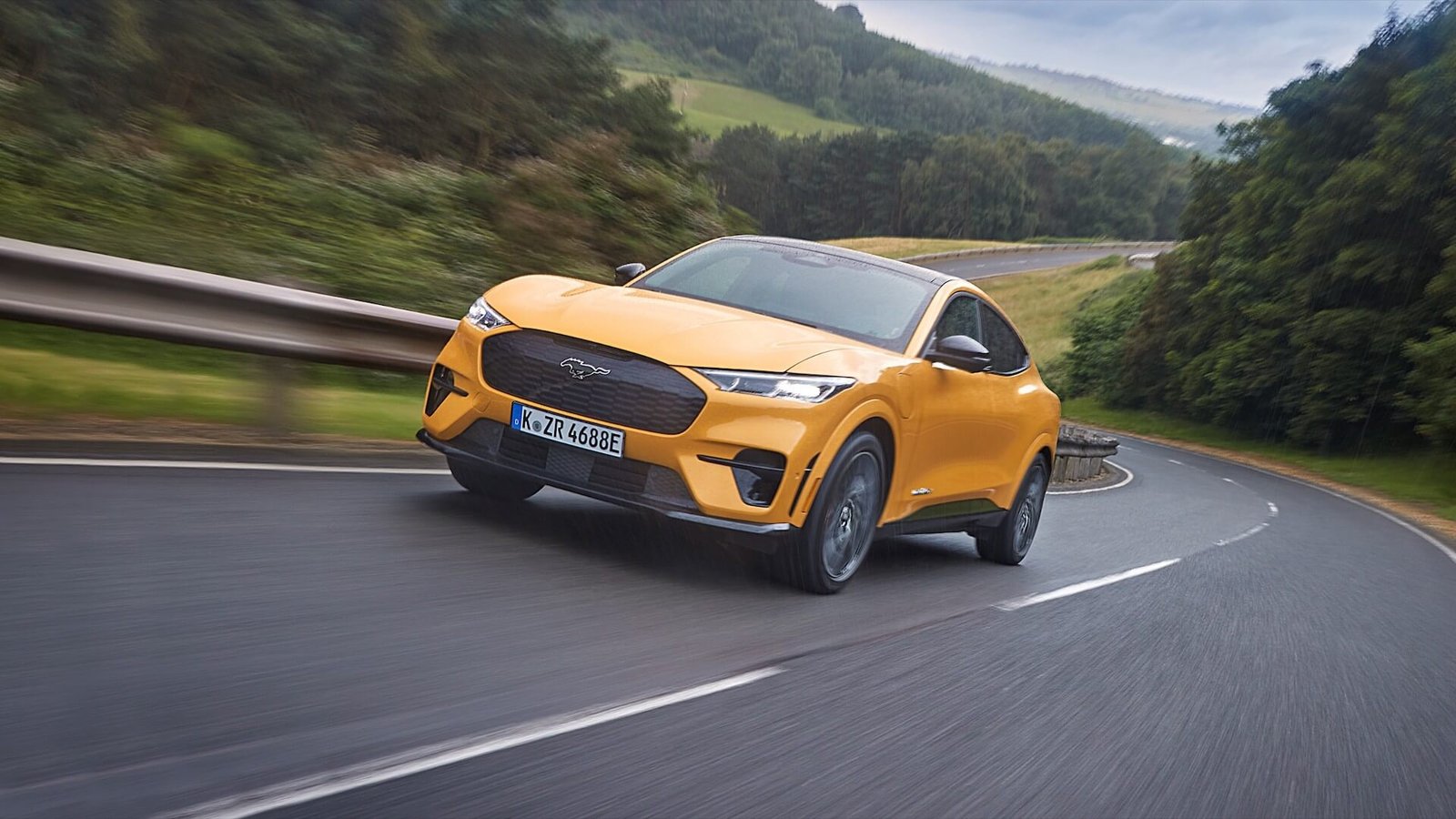
True, the cited data does not reveal the subtleties of modern automotive painting. White is rarely pure white and black is just black. When painting in several layers, a metallic effect can be achieved: mica and even glass particles are used for this. Adding a little blue pigment to the white paint will give the car a futuristic look and the golden yellow shade will give a luxurious impression.
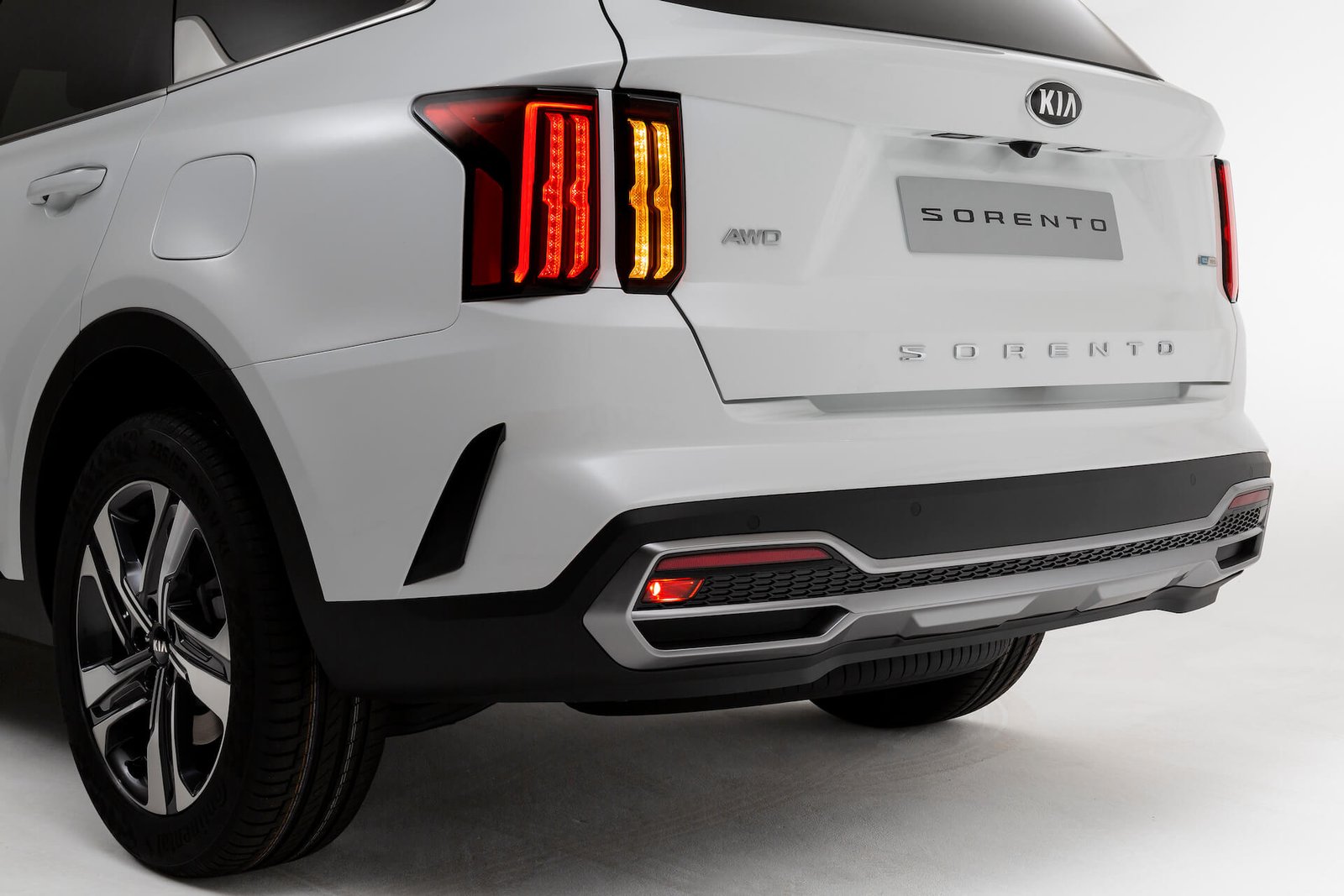
Along with the electrification of automobiles, the color blue has become increasingly desirable in recent years, but various shades of silver still thrive in presentations of concept models and new mass-produced electric cars. Neither car manufacturers nor buyers are willing to take risks. Some fear that unrealized production will languish in warehouses, while others are cautiously considering how they will sell their car next.
Adding a new color is more complicated than it seems
Tomas Jankauskas, an automotive designer working at Toyota in Japan, notes that certain colors became popular after the company’s marketing departments, along with new and used car buyers, established some unwritten rules over the years.
“After all, Ford announced from the beginning that buyers could buy a car of any color, as long as it was black. However, at that time it was decided based on economic considerations. It would have been more expensive to paint the cars in different colors. Choosing one color made everything easier,” teaches the specialist.
Since the days of the first automotive assembly line, Ford’s color offering has expanded significantly. Buyers can choose not only black and white, but also different shades of silver, as well as bright blue, red or even orange cars.
According to T. Jankauskas, nowadays the offer of colors is still very limited by the needs of unification of production and cost reduction. Most manufacturers do not change the color palette for a long time – they present slightly modified shades with new, catchy names.
The introduction of a new color into production, according to the designer, is a long and expensive process, so it happens extremely rarely. You also have to think about technical maintenance and repair of the car, so the work done is really great.
“Modern cars are made of the most diverse materials: metal alloys and various plastics are used. The paintwork must appear seamless, so in addition to all production and organizational issues, it is also a complex technological process,” emphasizes the Lithuanian, who knows the behind-the-scenes of automotive design very well.
The popularity was due to practicality
The popularity of white color, according to T. Jankauskas, was determined primarily by practicality. A white car heats up less when it sits in the sun, small scratches and dents do not bother the eyes. Black is the most impractical color, but it gives the vehicle solidity. It is no coincidence that black cars are very often chosen by companies.
According to T. Jankauskas, maintaining a car painted and painted in carbon black is a real headache. Immediately visible sticky dust particles give the impression that the car is dirty, even though it may have come out of the car wash just a few minutes ago.
“As long as the car is clean, it looks good, but maintenance requires patience. I have an older black car too, and even washing it twice a day won’t make it look squeaky clean,” he jokes.
The designer notes that even lovers of silver color can choose one of its variations. The most popular are dark titanium and light champagne shades. The latter is close to white, but is classified as silver. Designers like the silver color because it conveys shapes more clearly to the human eye.
“The silver color is persistently advertised, so people who have often seen it in advertisements tend to choose precisely this type of car,” comments the interviewer.
Bright cars are chosen by enthusiasts
There are very few yellow cars in the world. According to T. Jankauskas, some consumers are simply afraid to choose a bright color because they fear that it will be more difficult to sell the car later. The manufacturers themselves contribute to this and the color seems to disappear over time.
T. Jankauskas still remembers the case when, when he still lived in Lithuania, an acquaintance tried to sell him a brightly colored BMW 7 Series. The car painted in this way according to an individual order has already left the factory, but due to the unusual color no one cared about the quality of the paintwork. In the end, the car was sold for well below the average market price.
According to the designer, it is difficult to explain why already conservative buyers especially love red tones. These cars look provocative, but people like them. For example, many Ford models can be painted in one of two shades of red: Race Red and Fantastic Red. This color was made extremely popular by the Ford Mustang, considered one of the most popular sports models of all time. About 1 in 5 electric coupes built in the last 50 years were specifically red.
In the Ford range, T. Jankauskas favors the blue color, known to car enthusiasts since the days when sports cars developed together with Cosworth engineers appeared in various races. Initially a combination of blue and white was used, but eventually only blue remained. It is now used on Ford sports models, including the stylish Puma SUV.
Even the globally recognized Ford logo, the oval-framed signature of company founder Henry Ford, features different shades of blue and white. The blue color in the logo symbolizes the company’s strength and determination to achieve the best possible result, while the white represents nobility, elegance and purity.
According to the designer, true enthusiasts choose green, yellow and other exotic cars. He would like to see the entire new vehicle market more colorful and manufacturers and buyers not limited to four basic colors.
“Seeing brighter cars on the street would be more fun to experience, people would smile more often. The image has been changed a little by new options for changing the color of the body – film covering, spray rubber and films. For people, it becomes a means of self-expression,” a confident specialist.
RELATED POSTS
View all