


Transeksta prepares for the era of self-driving cars
January 23, 2026 | by EngineGeek Editorial
Transeksta prepares for the era of self-driving cars
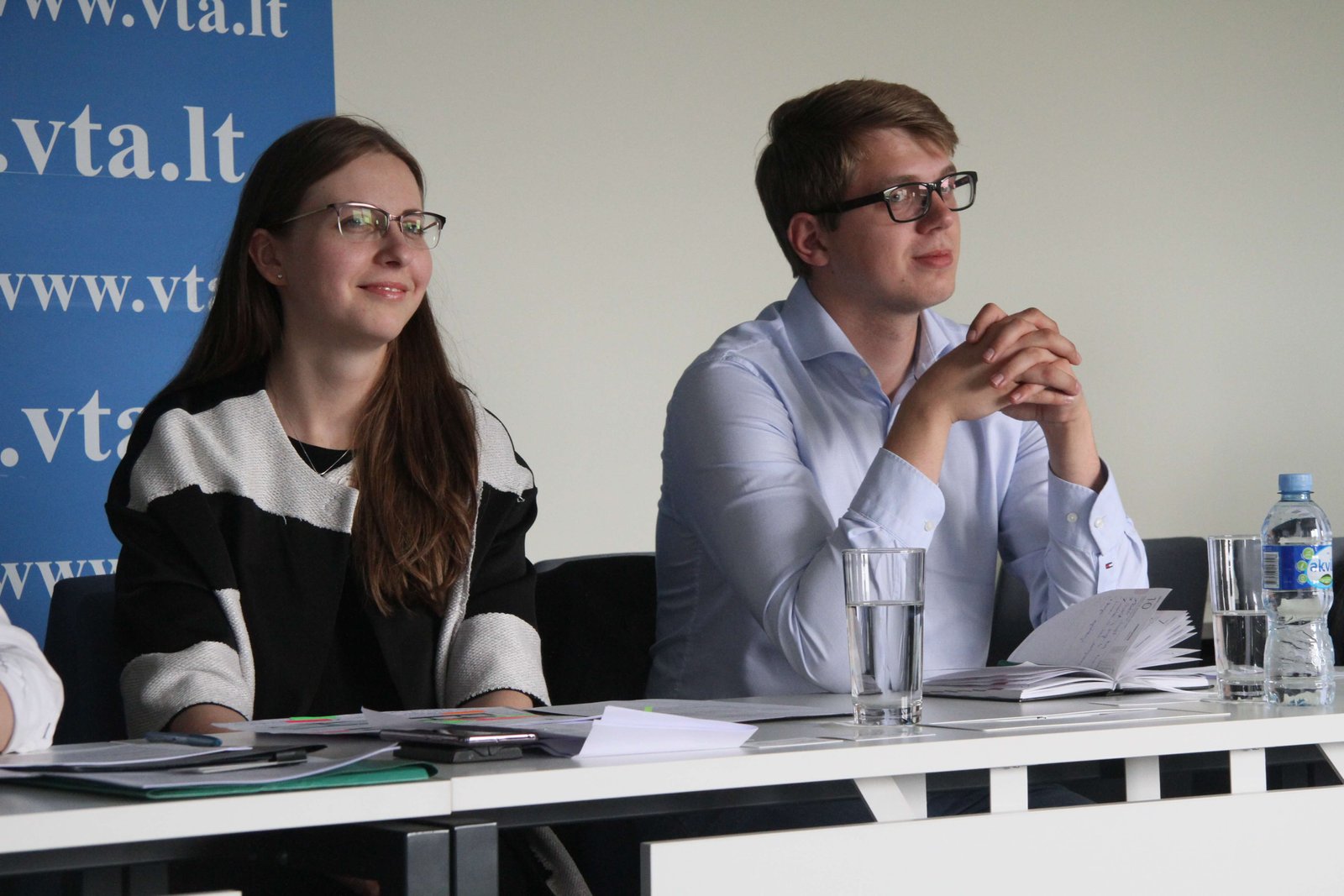
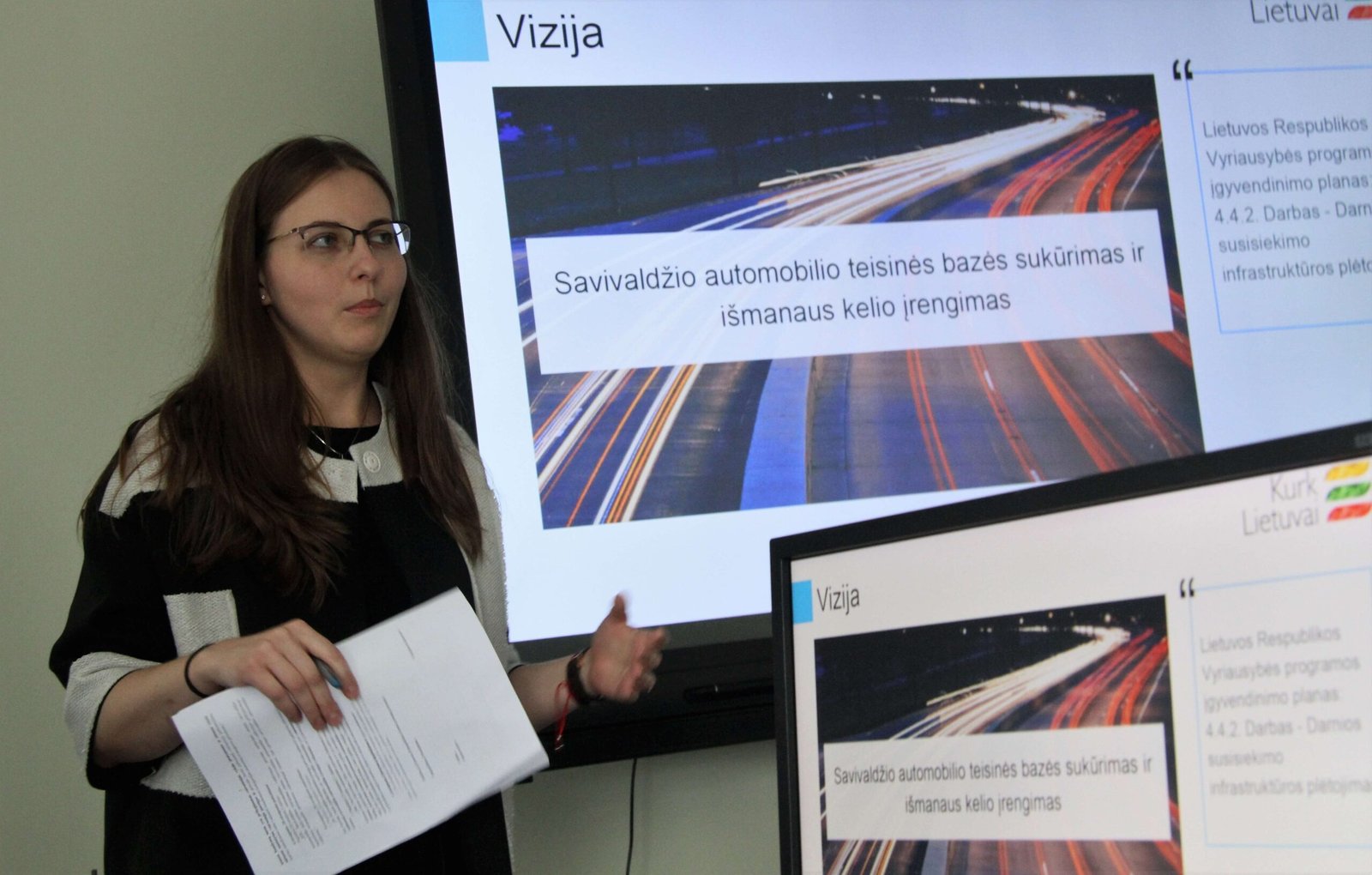
Lina Ginkutė and Mark Siavris, the leaders of the self-driving car project of the “Kurk Lietuvai” program, presented in detail what their team has managed to do to date and commented on the problems that specialists from different fields traditionally break multiple spears when discussing. As is known, in the current Government’s program there is the ambition to “create a legal basis for a self-driving car and install an intelligent road section”.
According to L. Ginkutė, these works are progressing successfully: amendments to the law on safe movement of cars on roads, which define the concept of self-driving cars, expand the concept of driving a vehicle and determine the basic principles for participation of self-driving cars in public traffic, will be finalized in the fourth quarter of this year. The changes will define who and how can carry out tests of self-driving cars in public traffic and establish the possibility for the testing officer to check at any time whether the self-driving car is controlled by the actions of the self-driving car equipment or whether it is controlled directly or remotely by a person. The procedure for the registration and accounting of autonomous cars and for the issuing of temporary license plates is also established.
“We hope that Lithuania will become the first in Europe and one of the few countries in the world to legislate testing according to the equivalent SAE level 5. That is, to improve fully automated machines when they are controlled completely without any human intervention (a self-driving vehicle can go to any suitable place and control itself completely, a person does not have to drive the vehicle). Furthermore, it is planned to adapt the section of the A1 road between Vilnius and Kaunas for self-driving car traffic, equipping the infrastructure for such machines to communicate to each other and “talk” with traffic signs and ensure connectivity at the 4G+/5G level,” call the project managers of the “Kurk Lietuvai” program.
When asked how useful such an attempt to “jump out” is, L.
Ginkutė says that such projects are directly linked to attracting investments and creating new jobs, growing GDP and increasing the competitiveness of regions. One of the most important aspects related to self-driving cars and their adoption is that about 80% of the number of accidents on roads and roads will decrease (according to world experts, 90% of road accidents are caused by human errors). It is expected that these changes will create better traffic and driving conditions, signage will help transport companies reduce costs and some environmental pollution problems will be solved.
Participants in the debate – Professor VGTU Saugirdas Pukalskas, Department of Engineering of Klaipėda University prof. The Dr. Rimantas Didžiokas, deputy director of the specialized company “Transporto studios” Ramūnas Velavičius, deputy dean of the faculty of mechanical engineering and design at KTU Laurencas Raslavičius drew attention to the problems of cybersecurity and responsibility for possible accidents caused by self-driving cars. Representatives of the “Kur Lietuvai” program, responsible for this project, emphasized that autonomous vehicles are driven on public roads only after long and complex experiments on special test beds, so the probability of accidents is rather theoretical. Any misunderstandings would discredit the car manufacturers, so no one leaves room for even the smallest adventures. On the other hand, before giving the green light to the tests of self-driving cars, regulations will undoubtedly have to come out that regulate in detail the resolution of any disputes.
The second topic of the meeting is no less important, because individual systems of self-driving cars – adaptive cruise control, automatic braking, lane tracking, etc. – they already have several new generation “simple” machines.
“Next May, the new Directive 2014/45/EU adopted by the European Parliament and the Council will come into force, which will oblige the technical inspection of certain auxiliary control systems of cars, which have been mandatory since 2014. As a result, they will arrive at TA centers in a year at the latest, but it is not yet clear how to verify the efficiency of systems important from the point of view of road safety. The same goes for things like catalysts or the gas regeneration mechanism: measuring their vitality is This is fundamentally not possible with current tools, especially considering that the inspection should be as short and cheap as possible. It is for these reasons that we are communicating with technical universities and looking for solutions,” said R. Velavicius.
RELATED POSTS
View all


Tesla falters, Xiaomi accelerates: the electric duel at the center of automotive news
December 16, 2025 | by EngineGeek Editorial

The 5 best motorcycle schools in Nice in 2025
December 15, 2025 | by EngineGeek Editorial
