


Car cleaning for the summer season – enginegeek.online
January 23, 2026 | by EngineGeek Editorial
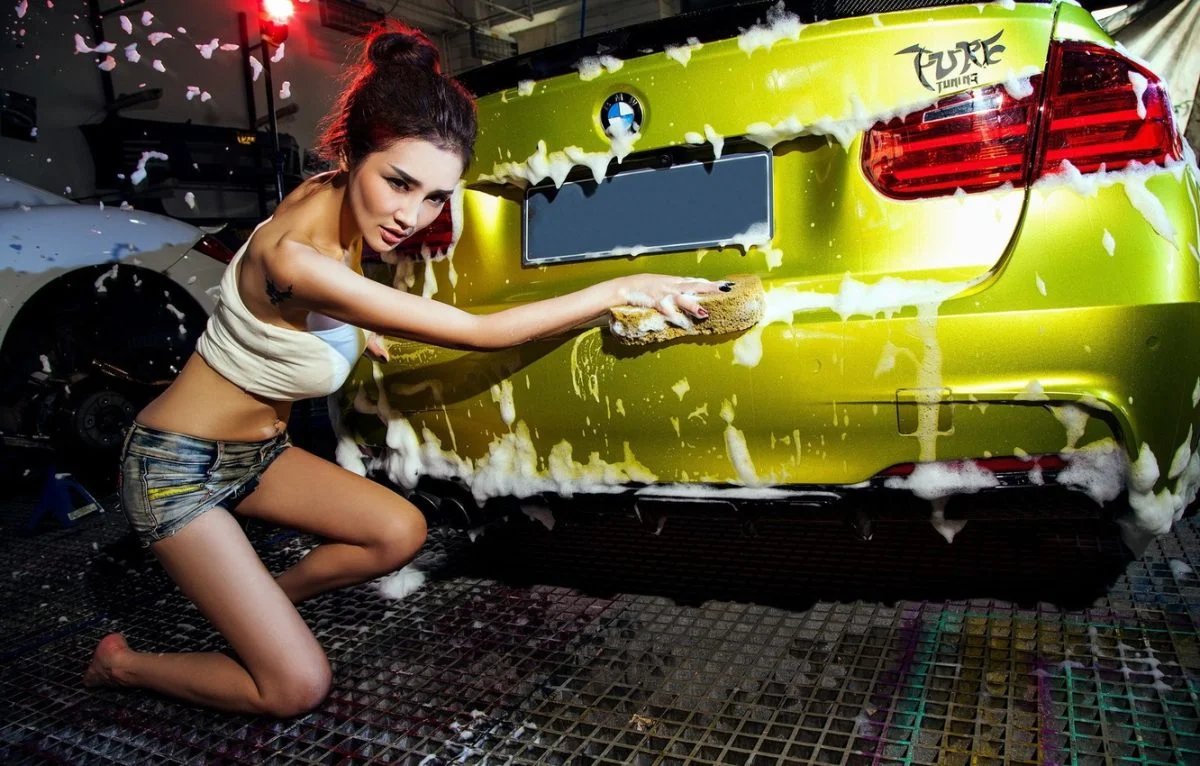
The sun finally came out and it was warm. For motorists this means that all winter grime must be removed from the car. In this article we will reveal how a professional will transform a car from a brick to a sparkling beauty in six steps.
1. Engine flush
A professional starts taking care of the car after the winter by washing it thoroughly. A special engine cleaner dissolves the largest dirt, then everything is washed with a high-pressure water jet, and finally it is advisable to dissolve the remaining dirt with a universal detergent. The water jet removes even the most hardened dirt and detergent residues. Subsequently, the motor is coated with a synthetic paint which gives it shine and protects the high voltage assemblies and cables from dirt and moisture.
A professional uses a special engine cleaner and brush to loosen the dirt. Residues are removed with a strong jet of water. The price of the engine wash starts from 40 litas.
Duration: 30 minutes.
Keeping the engine clean is the first and most important job for a professional. Those who wash it themselves should note: the engine should be washed only in a manual car wash or in a special place with an oil collector. The high-pressure sprayer must be kept at an adequate distance, as the strong jet of water can endanger electrical equipment and seals.
2. Car wash
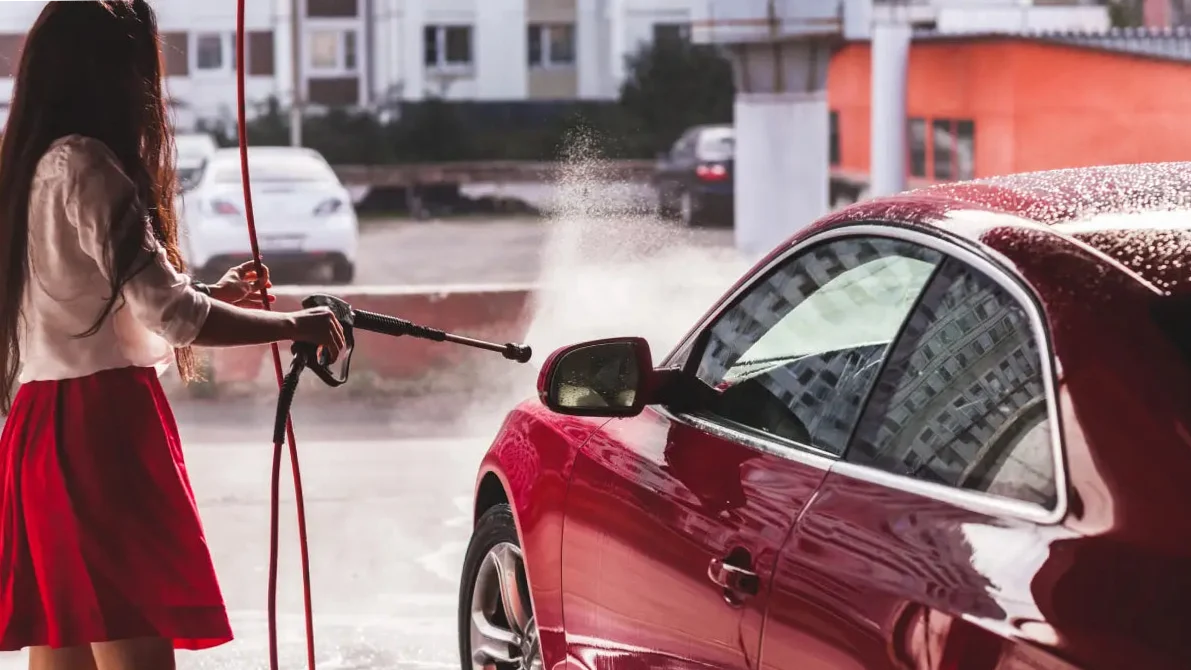
The high-pressure water jet first removes the coarsest dirt from the outside of the bodywork, then the dirt from the door frames, sills and wheel arches. Next, the professional washes the entire car and does it by hand. Finally, the remaining dirt is removed again with a high-pressure water jet and the machine is dried. The wheels are also washed in the same way and finally covered with a protective paint.
To wash your car you will need the following tools: a cloth, a bucket, a sponge and car shampoo
Duration: 45 minutes.
Anyone can wash a car easily using the right tools. If you use a sponge and brush it is important to always keep them clean. If the cloth gets into the dirt, it must be washed thoroughly, otherwise scratches will appear on the car body.
3. Removing scratches
Before polishing the bodywork, a professional removes surface scratches in the paint. Many scratches can be made invisible by sanding, polishing and gentle hand movements. But, of course, you shouldn’t expect miracles. If the scratch is deep and not only the paint is damaged, but also the paint layer underneath it, only painting will help.
Paint scratches and small “scars” disappear using the following tools: polishing paste, paint layer cleaning kit and paint pencil
Duration: 30 minutes.
The car owner can remove paint scratches himself, depending on the severity of the damage. It will take patience and hard work. If you need to remove deeper scratches, you’ll need to be a little more careful, because it’s easy to rub the paint off the mold if you sand it for too long.
4. Polishing/waxing the paint
It’s time to deal with the paint layer. It starts with polishing. A professional coats the bodywork with a polishing agent in several stages. Manually polish hard-to-reach areas, such as door handle recesses. After that, everything is thoroughly cleaned with special wipes. The next stage is waxing. Finally, a professional manually rubs the wax, giving the paint a special shine. A little tip: use a toothbrush to remove enamel residues in hard-to-reach areas.
For DIYers, the most expensive paint care products are: polishes, waxes, polishing cloths
Duration: 120 minutes.
By combining polishing and waxing products, even a beginner can achieve excellent results. In order for the paint to shine, first of all care and patience are needed. Beware of rust: Anyone who does not immediately pay attention to damage to the paint layer runs the risk of expensive body repairs.
5. Internal cleaning
Once all the containers and ashtrays are emptied, a professional sprays all the plastic parts with an all-purpose cleaner and cleans them. Then it’s the turn of upholstered furniture and textile carpets. All stains and dirt can be removed with a vacuum cleaner, sponge and warm water. Finally, you need to clean the windows
glass from the inside. To avoid the formation of water infiltration marks and the formation of mould, we recommend drying the cabin with a dryer.
You will need: dog hair brush, upholstery cleaner, glass cleaner, window cloth, brush, brush, vacuum cleaner
Duration: 90 minutes.
Care must be taken when cleaning the cabin. The radio niche, the dashboard seams and the duct niches are real dust magnets. The control panel will be clean if you use a brush in addition to vacuuming.
6. Maintenance of plastic
Ultimately a professional takes care of all the plastic parts. Spray the sills and bumpers with a special product and dry them when finished. In addition to not leaving polish residue on the plastic parts of the bodywork, it also uses compressed air. Very important: Rubber seals must be treated with a special tool to prevent them from breaking.
Clean your car before the end of the summer season using: rubber cleaner, dashboard cleaner, plastic cleaner
Duration: 30 minutes.
Pay particular attention when cleaning plastic parts. If you use household detergents without first checking the resistance of the materials to be cleaned, you run the risk of irremediably damaging the plastic parts. It is recommended to use special car care products.
Conclusion
What a professional can do is not difficult for a skilled hobbyist. With a little time and the right tools anyone can achieve a great result, and the entire job will only take a few hours. And there is no need to fear costs: most car care products have an expiration date of more than a year, and their packaging is enough for several seasons.
RELATED POSTS
View all

The 5 most common mistakes when changing winter tires
January 23, 2026 | by EngineGeek Editorial

It’s not a miracle, but it works: pedestrian crossings in Kaunas have become safer
January 23, 2026 | by EngineGeek Editorial

The 5 best motorcycle schools in Lille in 2024
January 23, 2026 | by EngineGeek Editorial