


Experts agree: we will soon be driving electric cars
January 23, 2026 | by EngineGeek Editorial
“Only a question of time”
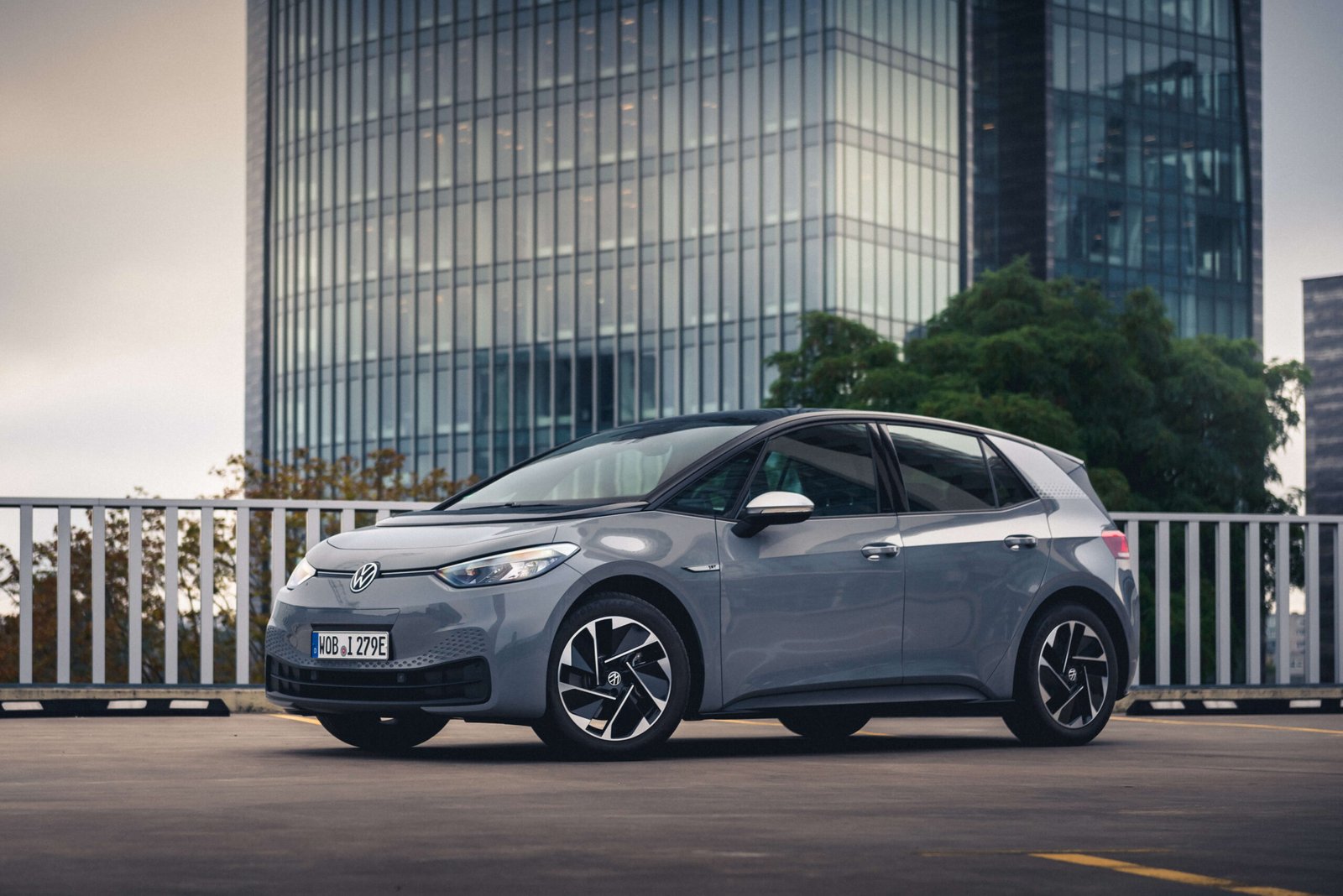
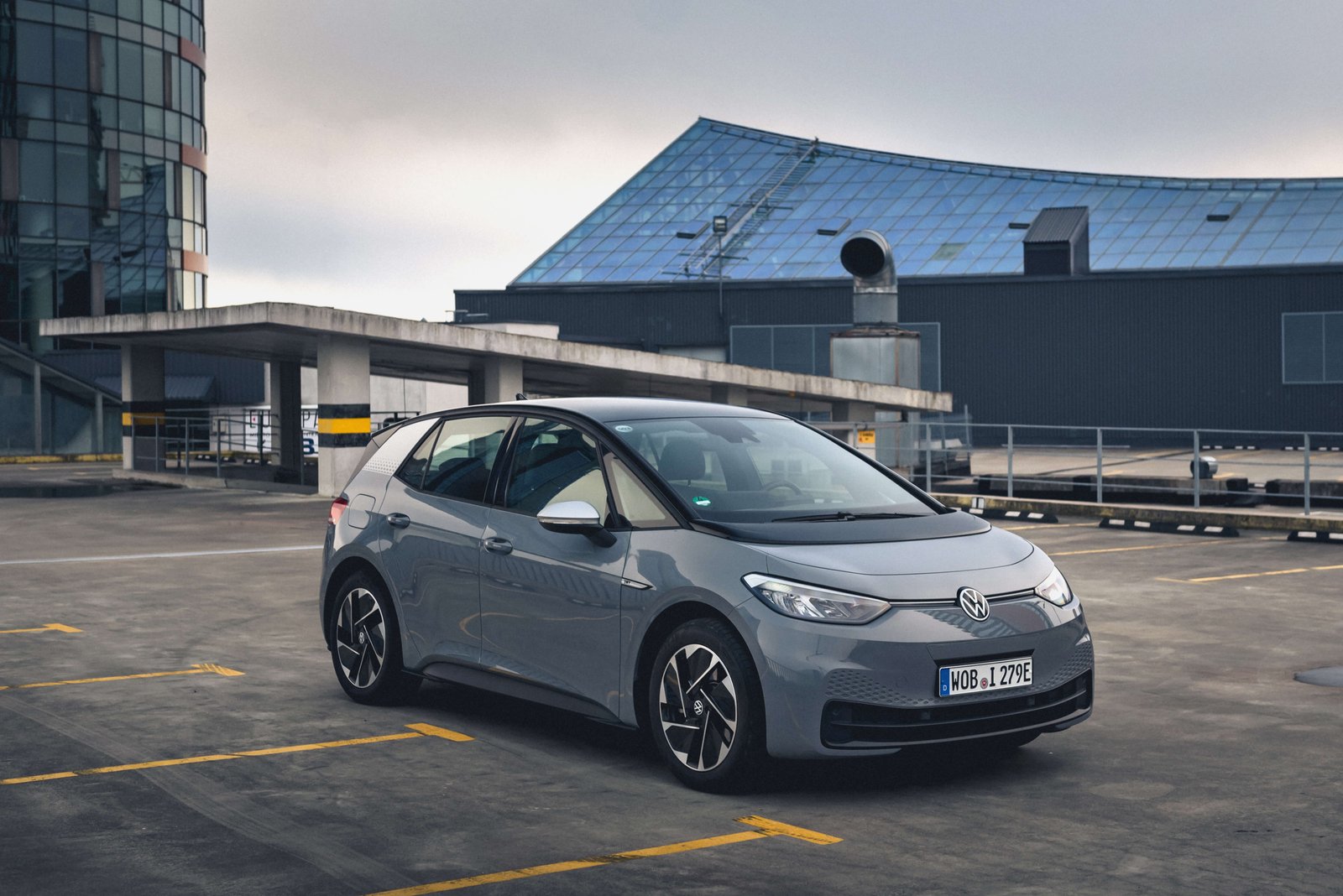
During the presentation of the new Volkswagen ID.3 electric car, the debate took place “When will we drive electric cars?” experts agree with the results of this study. According to Justas Nekrošius, Volkswagen brand manager for the Baltics, the leading electric car manufacturer plans to sell four times more electric cars in the Baltics in 2021 compared to last year.
“Until now there hasn’t been much choice. Electric cars are seen as a luxury vehicle, even though they shouldn’t be. We already offer the e-up!, which costs just over 23,000 euros, the price of which is further reduced by a state subsidy. Soon we will also offer the ID.3 series models, to make electric mobility accessible to everyone. Furthermore, we are investing in our network of charging stations, which will be completed this year. So it’s only a matter of time, when that happens there will be no more obstacles to choosing an electric vehicle,” he said.
“Already today we have an excess of public charging infrastructure, so even those who live in apartment buildings and do not have the possibility to charge privately have every opportunity to use public charging stations. We can be pleased that Lithuania has already overtaken Estonia in terms of the number of electric cars. One of the reasons is the significantly expanded network of charging stations, to which Ignitis has also contributed”, assessed the situation Andrius Šeršniovas, head of products for e-mobility at Ignitis.
Meanwhile, Spark’s business development manager, Tomas Tamašauskas, said the car-sharing service helps significantly reduce both congestion and pollution.
“Our fleet of 260 electric cars can significantly relieve city streets and does so in an environmentally friendly way: we calculate that one shared car replaces 5 to 10 private vehicles and also helps to free up many parking spaces in the city,” he said
Miglė Bielinytė, head of communication of SA “Susisiekimos paslaugos” SA, noted that compared to, for example, a few years ago, we consider the concept of mobility much more broadly: it is not just about transport or infrastructure.
“Mobility is the set of ways of traveling in the city, habits and needs of people, which determine how functioning transport systems will be created. Vilnius has a sustainable mobility plan, which predicts how the city will change in the next ten years, so that it will be convenient to move in various ways, regardless of the method chosen: by public transport, on foot, by car, by bicycle or other. We currently have 70% new buses, a fully electrified public transport line, and by By 2030 we aim for 55 percent of all public transport to be green,” he said.
The future is electric mobility
At the end of the debate, Justas Nekrošius presented the Volkswagen e. mobility strategy. Until 2024 the manufacturer plans to invest 33 billion euros, and by 2025 it will produce more than 1.5 million electric cars and present 75 models of the new MEB platform. This year, sales of electric cars in the Baltics have already increased by 216%, and in Lithuania by 168%. Next year, electric car sales are expected to account for 10% of Volkswagen’s entire portfolio in the Baltics.
Volkswagen is a leader in electric cars in both the Baltics and Lithuania. Last year the share of electric cars in Volkswagen’s portfolio increased 20 times, this year it has already increased more than eight times,” said J. Nekrošius adding that the manufacturer is also looking forward to the new electric SUV ID.4, pre-sales of which will begin already at the end of this year.
The head of the Volkswagen brand expressed satisfaction with the expansion of the ID.3 model lineup. The first to be launched is the ID.3 1st, priced at €40,500, equipped with a mid-range battery offering a range of up to 420 kilometers on a single charge. To meet market demand, these vehicles will be delivered in the first quarter of next year, while the base model and a version with a range of 550 kilometers will be launched in the second half of the year.
“We have also tailored the ID.3 to the climate and customer needs in Lithuania. Unlike other markets, in Lithuania, all standard electric vehicles come with a five-year warranty, charging cable, and heat pump. Therefore, this version is priced at €32,990 in Lithuania,” said J. Nekrošius, explaining the starting price of Volkswagen’s latest electric vehicle.
RELATED POSTS
View all


Specialists have debunked the myth that old cars are more reliable
January 23, 2026 | by EngineGeek Editorial

How to choose a child’s motorcycle helmet: Safe purchasing guide
January 23, 2026 | by EngineGeek Editorial

Discover the benefits of the 3008 engine in 2025
December 16, 2025 | by EngineGeek Editorial