


Significant changes in the World Rally Championship will also lead to changes in our cars
January 23, 2026 | by EngineGeek Editorial
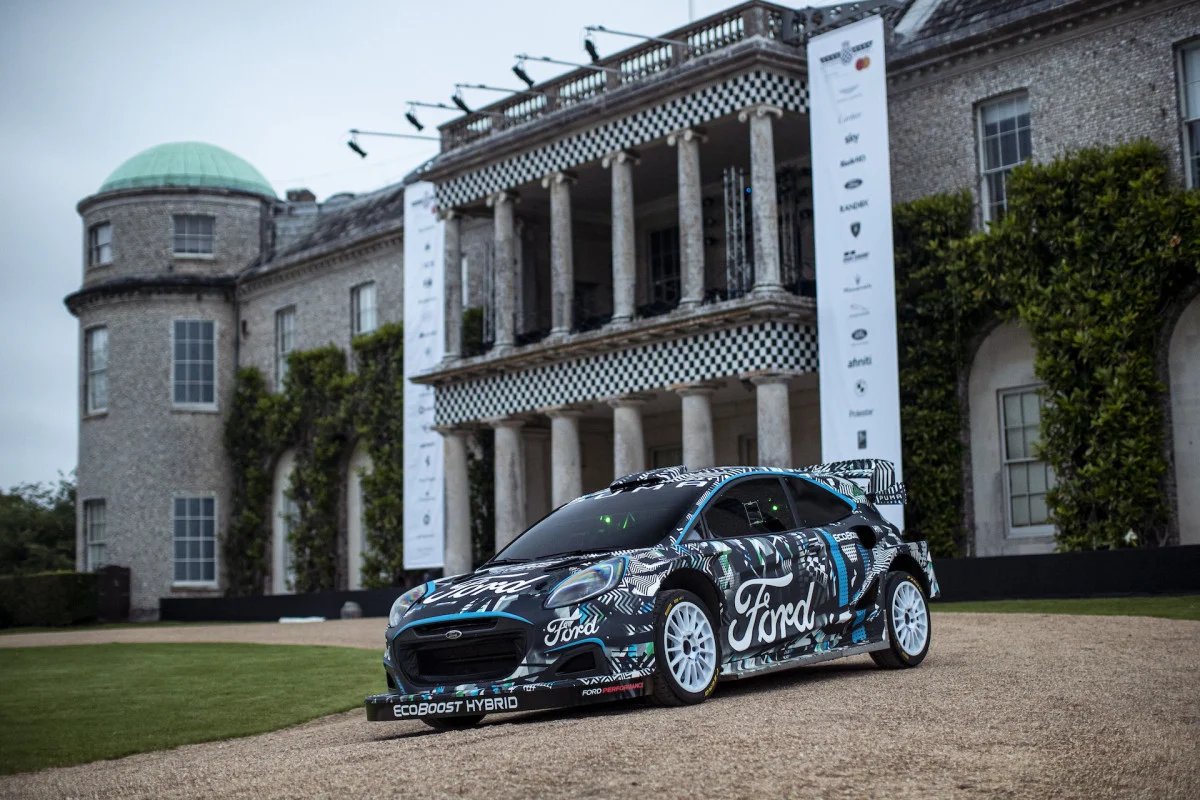
Starting from the 2022 season, the International Motor Sports Federation has established new requirements for participants in the World Rally Championship. Manufacturers had to start almost from a blank sheet of paper: to achieve greater safety, the structure of the car body is changing, internal combustion engines are being replaced by hybrid power plants, and synthetic fuel will be used. How will these changes affect participants and what new technologies can be applied in everyday cars?
The specifics of the guide will change
Three manufacturers are actively preparing for next year’s World Rally Championship: Toyota, Hyundai, and Ford will field the all-new Puma Rally1 race car. Developed in collaboration with the M-Sport team, this model is slightly larger than its predecessor, the Fiesta WRC. But can it handle the new challenges on the track? Rally professional driver Dominicas Butevilas firmly believes that drivers will feel the difference.
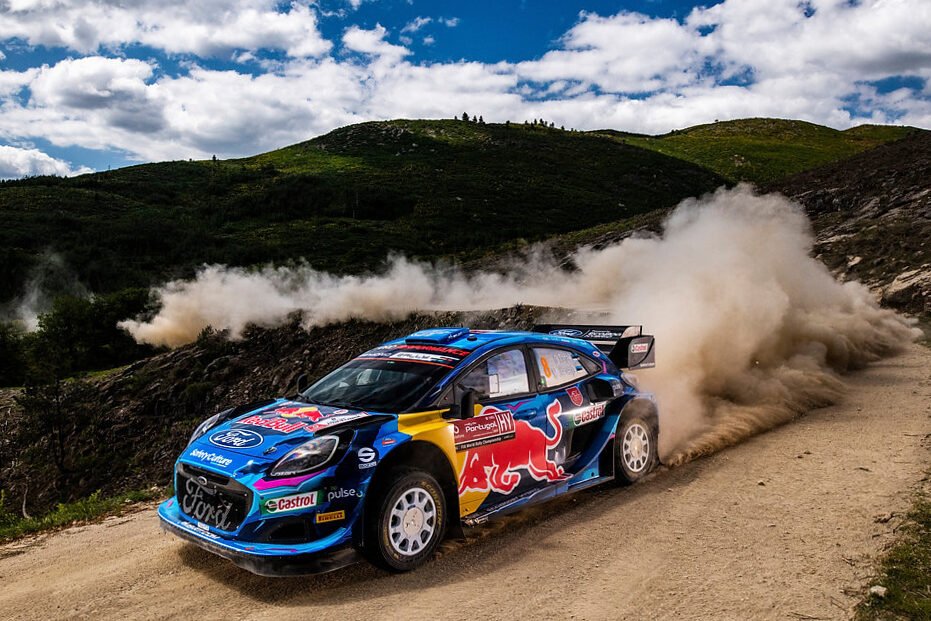
“The main thing that will be physically noticeable will be the additional weight of the hybrid system. Manufacturers will have no way to compensate for this with lighter materials, because everything is already lightened to the maximum. Weight is the biggest enemy in motorsports and drivers should definitely feel these changes strongly.
The hybrid drivetrain is also expected to change the transmission of power to the wheels, but teams will be able to play with it, adapt and compensate, for example turboduobiso that the car’s power is more uniform in the right places”, D. Butvilas evaluates the impact of the emergence of hybrid drive.
The driver, who won the Lithuanian Rally Champions Cup twice, hopes that the new regulations will create intrigue, which will lead to an interesting season, because the cars used so far have been improved to the maximum. Now the teams are starting from scratch.
“The question is how much electronics there will be, because ten years ago the installation of such components began to be severely limited: for example, mechanical differentials are making a comeback, while car manufacturers have started to lean heavily towards electronic control.
I think the next generation of cars will show who has done their homework and is best prepared. Historically, Ford did the most thorough homework, because when the new generation models were introduced in 2017, they had an advantage at first,” notes D. Butvilas.
From the slopes to the streets
Furthermore, the fuel used by the next generation World Rally Championship cars will also change. Starting in 2022, 1.6-liter turbocharged four-cylinder engines will use fuel that cannot contain petroleum products.
Motorsports expert and event organizer Darius Grinbergas has seen many disciplines up close and this news doesn’t surprise him. He believes that synthetic fuels will eventually find their way into everyday cars.
“Synthetic and alternative fuels are already used in many places in motor sports. In NASCAR itself, some of the fuel is synthetic, Formula 1 is planning to switch to fully synthetic fuel, even the WEC long-distance championship talks about it. Sooner or later, when it becomes widely spread in motor sports, this fuel will become cheaper and we will probably use it too,” predicts D. Grinberg.
According to D. Butvila, although the pursuit of ecology is welcome, it is necessary to find a balance so as not to create too difficult conditions for producers and not to eliminate what is most important for the public.
“Motorsport has long been dedicated to experimenting and developing various technologies for wider dissemination. But too much focus on ecology can reduce the attractiveness of the sport for manufacturers. Another question is: how will this affect the public?”
For example, “Formula E”, where cars are driven only by electricity, no matter how much they tried to promote it, has not gained much popularity and even manufacturers are withdrawing from this championship,” notes D. Butvilas.
The future is not just electric
D. Grinberg agrees with the opinion that motor sports are often used as a testing ground for the development and improvement of technologies, and in this case the possibility of applying them in everyday cars is no less important than the goal of winning or a simple advertising medium.
“In the stages of the World Rally Championship, mainly individual teams participate and there are only a few manufacturers. The manufacturer itself takes an active part in the development process of the car and the engineers also contribute very strongly.”
It is important to remember that not only car manufacturers, but also other large global companies are getting closer to autosport. For example, it is not for nothing that “Total” chose autosport as a test bed, because very intelligent minds really work here, and such a move generally demonstrates that the company, looking into the future, sees that there is not only electricity there,” emphasizes D. Grinberg.
The new World Rally Championship cars demonstrate that the cars on the tracks and roads not only have the same badge and name, but also similar technologies. For example, hybrid transmissions are not only installed in the Toyota Yaris and Ford Puma for the track, but also in regular versions of these models, and what manufacturers test and discover on the track can be transferred to versions intended for public use on the road.
Let’s say that the engine of the Ford Puma Rally1 hybrid system will reach a power of 100 kW, and the battery capacity will be 3.9 kWh. The energy reserves of the hybrid system can be recharged from the grid in around 25 minutes, and the weight of the system will be only 95 kilograms. A similar hybrid system is likely to be used in regular road-going Puma models in the future.
RELATED POSTS
View all


The 5 best motorcycle schools in Nice in 2025
December 15, 2025 | by EngineGeek Editorial
Passengers at Vilnius Airport are transported by a Lithuanian electric bus
February 12, 2026 | by EngineGeek Editorial

Discover the mini cooper The One: the definitive guide to 2025
December 16, 2025 | by EngineGeek Editorial