


What will happen to completely discharged electric car batteries?
January 23, 2026 | by EngineGeek Editorial
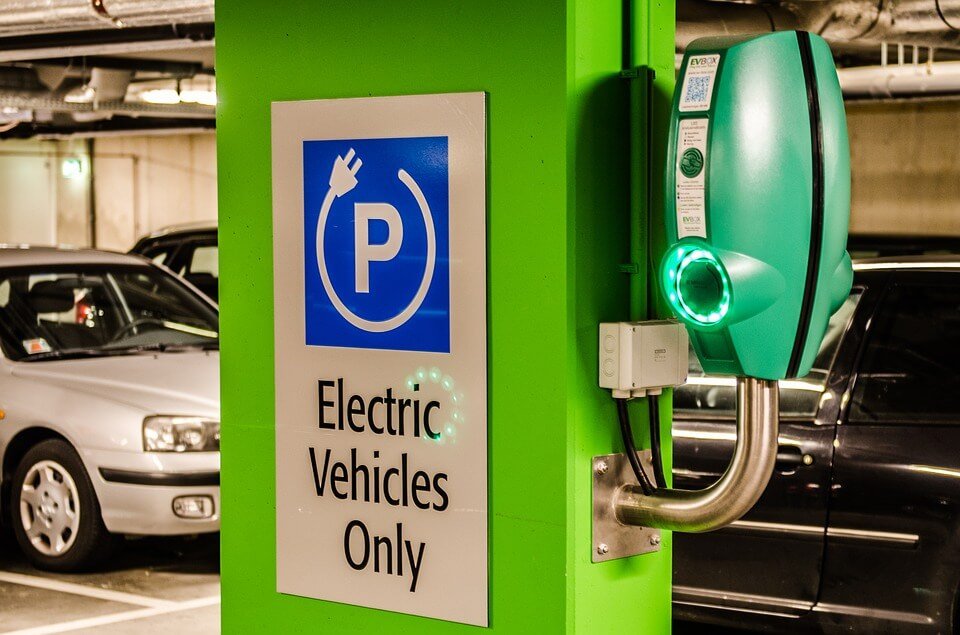
As the automotive industry transitions to electrification, electric vehicle (EV) batteries must be recycled after being used for other purposes (such as energy storage) or fully discharged. While the recycling rate of lead-acid batteries for internal combustion engines is high, the recycling rate of lithium-ion batteries for EVs is far from reaching that level. This is worrying.
EV batteries are larger and heavier than traditional car batteries. They consist of hundreds of individual lithium-ion battery cells, all of which must be disassembled. Furthermore, they contain hazardous substances, and improper disassembly could even cause battery cells to explode.

“Globally, it’s very difficult to get detailed data on the percentage of lithium-ion batteries that are recycled, but everyone says it’s around 5%,” Paul Anderson of the University of Birmingham told the BBC. “In some parts of the world, this share is significantly lower.”
Last December the European Commission proposed that electric car manufacturers be responsible for collecting all batteries at the end of their life.
“The latest proposals from the European Union (EU) stipulate that all industrial, car or electric vehicle batteries must be collected and recycled. The aim is to achieve a high level of recovery of secondary materials and, above all, valuable raw materials such as cobalt, lithium, nickel and lead,” says Asta Pakštaitė-Marcinkienė, head of the Association of Manufacturers and Importers.
The EU also wants industrial and electric car batteries with internal storage to list the content of recycled cobalt, lead, lithium and nickel from 2027. From 2030, these batteries will have to contain a minimum amount of recycled materials – 12% respectively. cobalt, 85% lead, 4% lithium and 4% nickel, and from 2035 this amount will increase even more (20% cobalt, 10% lithium and 12% nickel).
“The demand for batteries is increasing rapidly, especially due to electric transport. According to EU forecasts, the demand for batteries, together with portable batteries and accumulators used in households, will increase 14 times by 2030. Such growth in global battery demand will correspondingly increase the demand for raw materials, so the EU, which is implementing the European Green Course, aims to reduce the impact of batteries on the environment as much as possible and save as many raw materials as possible,” says Alfredas Skinulis, responsible for the Environmental Protection Institute.
The first steps of the producers
Japanese carmaker Nissan is already reusing old batteries in its Leaf electric car. German Volkswagen recently opened its first battery recycling plant in Germany and plans to recycle up to 3,600 battery systems per year during a pilot phase, which equates to 1,500 tonnes.
Before recycling the batteries, Volkswagen experts will analyze whether it is still possible to give the electric car battery a second life by using it in mobile energy storage systems, such as a flexible fast charging station or a mobile charging robot. Processing will mainly focus on the extraction of metals such as cobalt, nickel, lithium and manganese, as well as the mineral graphite. Dismantled parts of battery systems such as aluminium, copper and plastic will also be recycled.
“We know from research that recycled battery raw materials are as efficient as new ones,” said Markas Mioleris, head of Volkswagen’s Technical Development and Electric Mobility business unit. “As demand for batteries and related raw materials increases dramatically, we can put every ounce of recycled material to good use.”
The Salzgitter plant wants to recycle 90 percent of electric car batteries in the long term.
Renault, meanwhile, now recycles all its electric car batteries, but currently only a couple of hundred a year. The batteries are recycled by a consortium that also includes the French waste management company Veolia and the Belgian chemical company Solvay.
“We aim to cover 25% of the recycling market. We want to maintain this level of coverage and, of course, this would certainly meet Renault’s needs,” Renault’s vice-president for strategic environmental planning told the BBC.
According to him, this project is designed to recycle not only Renault, but all batteries and also includes production waste from battery factories.
The importance of efficient recycling
Researchers at the British Faraday Institute are looking for ways to optimize the recycling of electric vehicle batteries and make it as rational and efficient as possible.
According to researchers at the institute, the recycling process currently reduces most battery material to the so-called black mass, a mixture of lithium, manganese, cobalt and nickel, which requires a further energy-intensive process to extract the materials into a usable form.
Manually disassembling battery fuel cells can extract more of these materials more efficiently, but there are problems.
“In some markets, such as China, health, safety and environmental regulations are much more lax and working conditions would not be acceptable in a Western context,” comments Gavin Harper, a researcher at the Faraday Institute.
Furthermore, manual labor costs more, so automated battery processing and robots should be preferred, he says.
The institute’s researchers also point out that the recycling of unusable batteries from electric cars is also important to guarantee European manufacturers the supply of strategically important materials for battery production.
RELATED POSTS
View all


A must-see karting destination in 2025
December 15, 2025 | by EngineGeek Editorial

How to choose a battery charger – enginegeek.online
January 23, 2026 | by EngineGeek Editorial