


Electric car or normal car: which accident will cost more?
January 23, 2026 | by EngineGeek Editorial
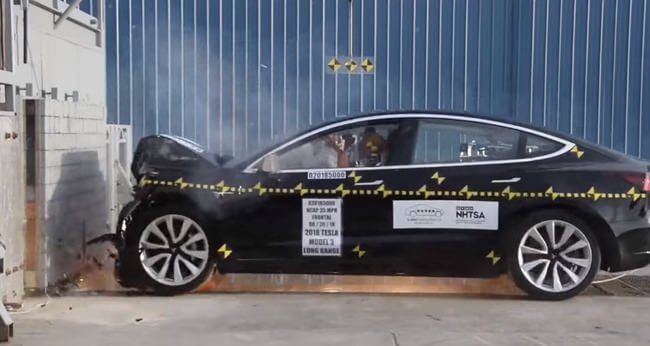
Weak and strong points of the electric car
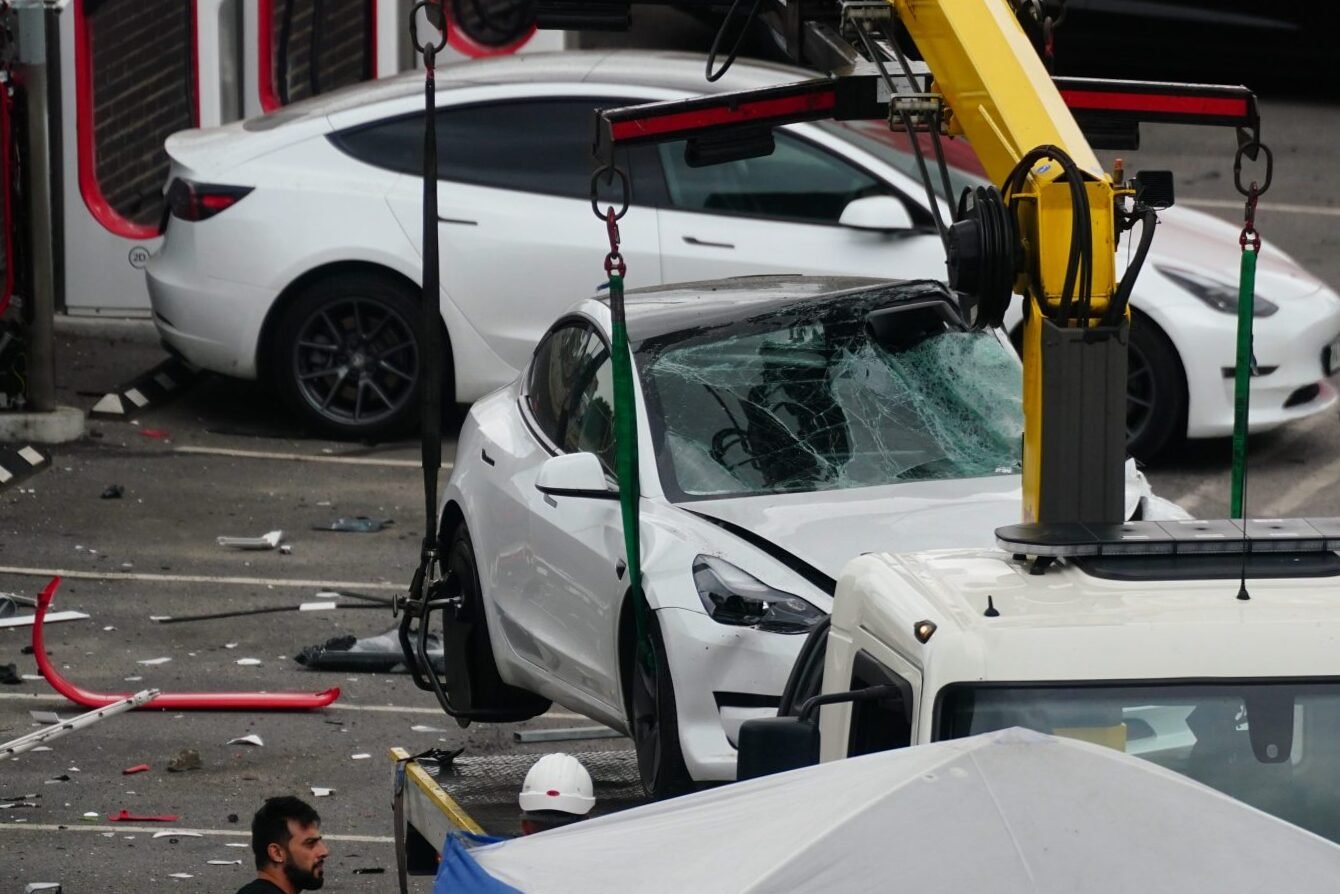
Today, the price of car and electric car insurance is determined by two factors: how often the car and its driver get into road accidents and how much the repair work will cost if this happens.
Statistically, electric cars are involved in road accidents with the same frequency as normal cars, but this often happens in such a way that repairing an electric car is more expensive.
Especially when the electric car market is still young and not all manufacturers of electric models have competent representatives in Lithuania for their service and repair.
According to Mindaugas Balinskas, head of the claims department at Compensa Vienna Insurance Group, the price for repairing an electric car depends on the model, configuration, crashworthiness and where the vehicle is damaged.
If, for example, an electric car hits an obstacle on the road, not only the bottom can be damaged (as is normally the case with a car), but also the battery itself – then the repair costs would increase significantly.
The same consequences, more painful than usual, would be expected by drivers of electric cars in the event of a strong impact on the wheel, when not only the chassis elements, but also the motor that turns the wheel can be damaged.
On the other hand, the opposite cases are also possible, when in the event of a frontal impact – directly on the front of the car – the internal combustion engine of the electric car is not damaged, the repair of which would be extremely expensive, because it is simply not there.
“In any case, caution and safety are the most important things when driving an electric or conventional fuel car to avoid accidents and avoid additional costs for both repairs and insurance.
I would advise drivers to choose not only the permitted speed, but also the safest one, especially in cold weather. It is also important to monitor road conditions more carefully: both puddles and bare ice can cause significant losses,” says M. Balinskas.
Insurers keep an eye on the latest technologies
Although electric cars and their technologies are not great when insured by compulsory drivers’ liability insurance or CASKO insurance, experts see both risks and opportunities for the future.
It is observed, for example, that the development of driver assistance technology is directly related to fewer accidents on the roads.
Therefore, in the future, normal and electric car technologies will not surpass insurance companies and the products they offer.
“The development of electric vehicles in the insurance market is closely related to another rapidly evolving innovation: continuously improving driver assistance systems. While these systems can currently only partially take over some of the driver’s operations, they are already quite capable.
People hope that in the future, human drivers will no longer be needed. The development of these technologies may change road safety, and consequently, the landscape of insurance products,” said M. Balinskas.
Sometimes, seemingly unrelated technologies and innovations can have a significant impact on and transform the market landscape.
In this regard, new safety solutions used in electric vehicles and traditional cars can help save the lives of drivers and passengers and reduce traffic accidents.
conclusion
Several key factors are driving this shift toward pure electric mobility. One of the most significant is the continuous advancement of electric vehicle technology. Research and development in battery efficiency, energy management systems, and electric drivetrains have progressed rapidly over the past decade. Modern lithium-ion batteries now offer higher energy density, longer lifespans, and improved reliability compared to earlier generations.
As a result, range anxiety—once one of the main concerns for potential buyers—has decreased considerably. Today’s electric vehicles are no longer limited to short urban commutes. Many current models can travel more than 300 kilometers on a single charge, making them suitable not only for city driving but also for longer intercity journeys. Improvements in fast-charging infrastructure further enhance convenience, allowing drivers to recharge significant battery capacity within a relatively short time.
In addition to technological progress, growing environmental awareness and supportive government policies also contribute to the market’s development. Incentives, tax benefits, and expanding public charging networks encourage more consumers to consider switching to electric mobility.
Although electric vehicles still represent a minority on Lithuanian roads, the consistent monthly growth demonstrates a clear transition. As technology continues to improve and infrastructure expands, the adoption rate is expected to accelerate in the coming years.
RELATED POSTS
View all


Intelligent tires will save fuel, ensure safety on the road and report their conditions
January 23, 2026 | by EngineGeek Editorial

a unique karting experience | What is BattleKart?
December 15, 2025 | by EngineGeek Editorial
Hyundai Ioniq 5 represents a big step forward in the electric car market
January 23, 2026 | by EngineGeek Editorial