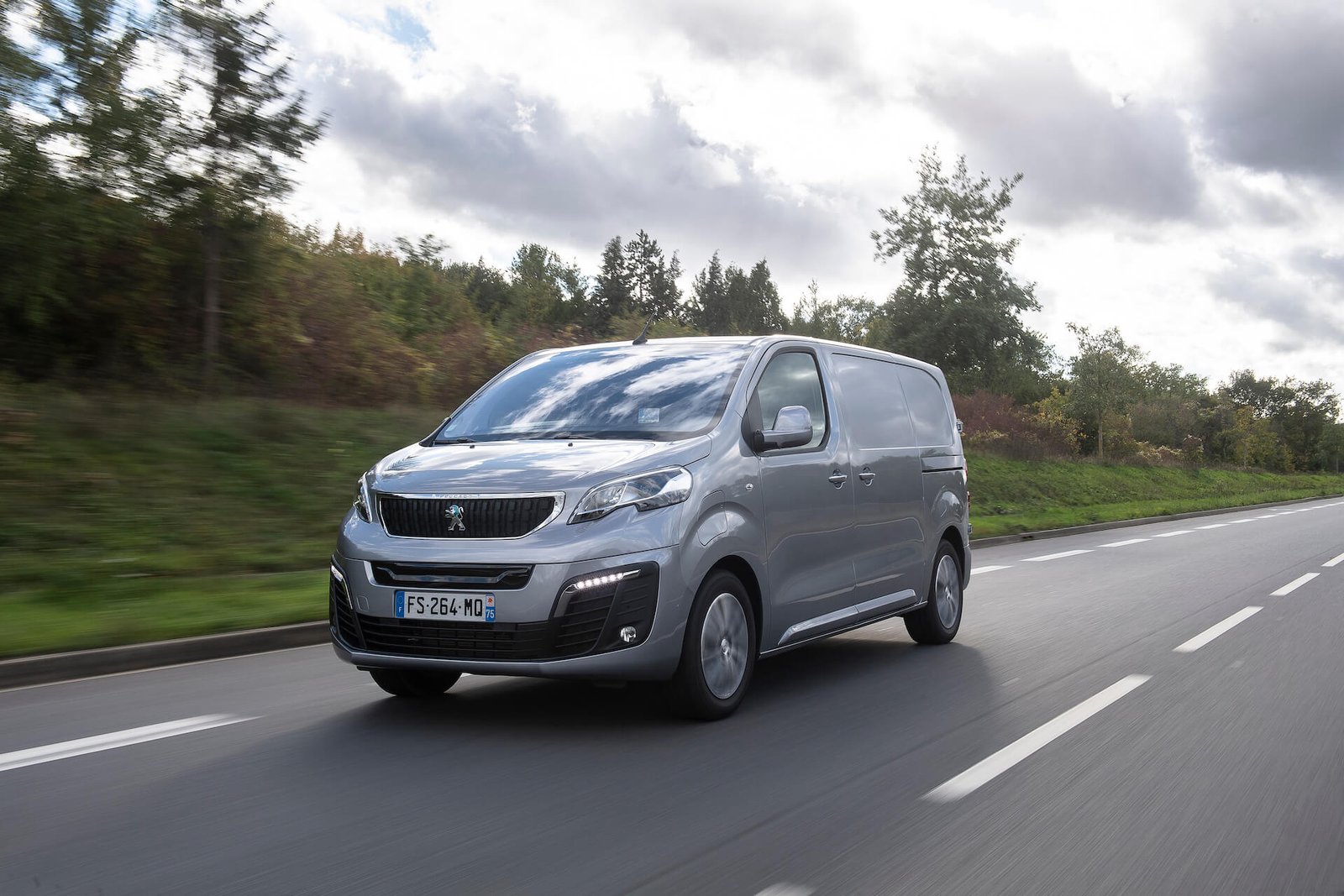
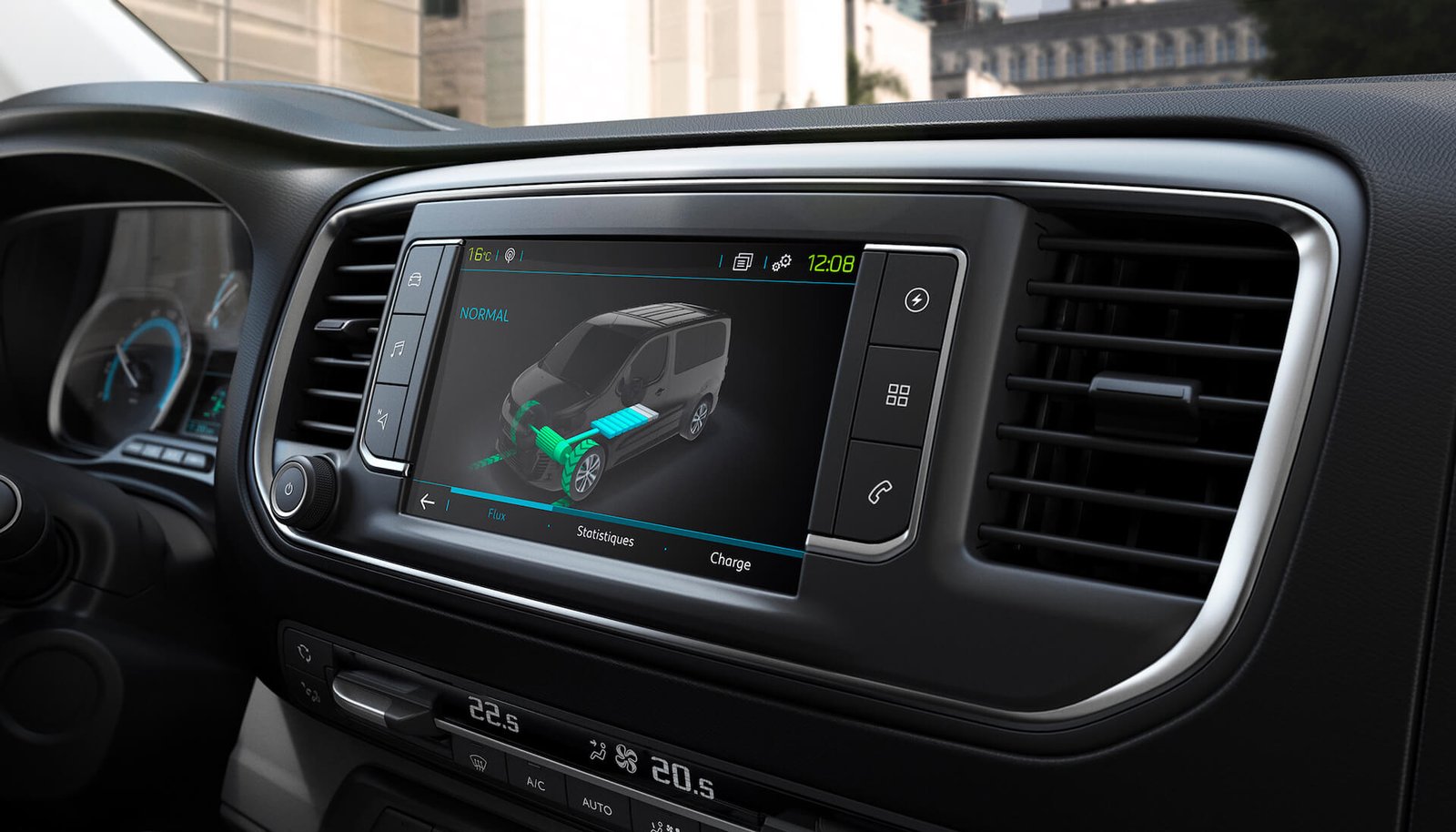
Hydrogen fuel cells feature uniformly developed capacity, and the battery will be installed to meet the increased energy demand during acceleration and ensure energy storage during braking. The design provides for the possibility of charging the battery from the network.
Citroen and Peugeot are focusing on hydrogen
First, light commercial vehicles powered by hydrogen fuel cells will be produced. Citroën and Peugeot currently offer a wide range of electric commercial models, from the e-Partner compact cargo van, to the e-Traveller passenger car and the e-Boxer large van.
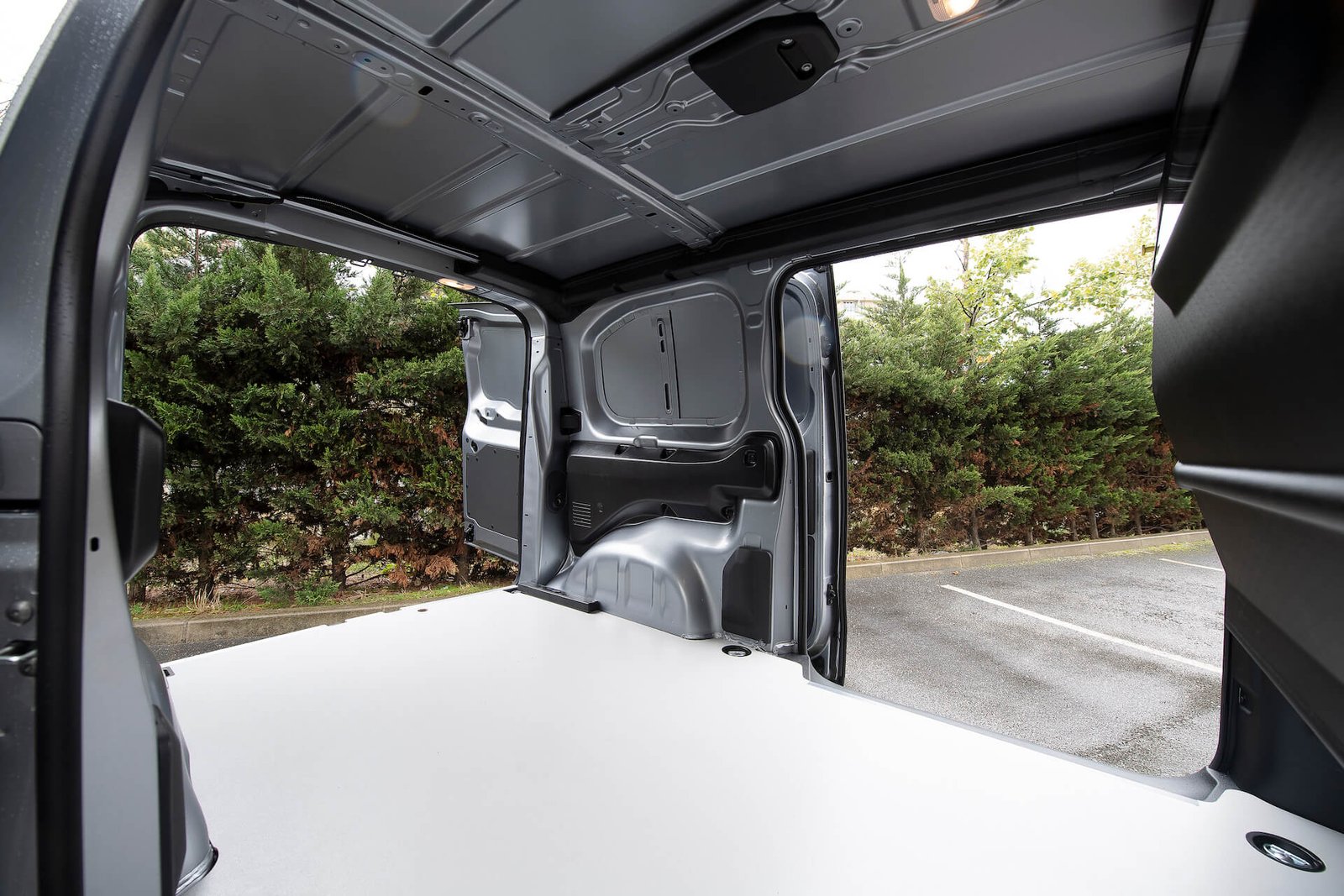
Stellantis Group’s hydrogen fuel cell vehicles will travel more than 400 km under the WLTP test cycle and will take approximately 3 minutes to fill the hydrogen tank. The cargo compartment capacity and maximum load of these models will not differ from the internal combustion engine versions. The most important thing is that these vehicles will not pollute the environment at all.
The 10.5 kWh battery will further increase the versatility of these models. With a charging power of 11 kW it is possible to completely replenish the energy reserves during the night. The cars will be equipped with the same electric motor as Citroen and Peugeot electric cars. Its capacity reaches 100 kW and the maximum torque is 260 Nm.
Series production of light commercial vehicles powered by hydrogen fuel cells will begin at the end of 2021.
The Stellantis group, formed through the merger of the PSA Group and Fiat Chrysler Automobiles (FCA), has officially announced the development of a new vehicle platform powered by hydrogen fuel cells. This strategic move marks another important step in the company’s broader electrification and zero-emission mobility plan.
The first brands set to introduce models based on this innovative platform are Citroën, Peugeot, and Opel. These manufacturers already offer a comprehensive range of fully electric light commercial vehicles. However, while battery-electric models are well suited for urban and regional use, hydrogen fuel cell technology addresses key limitations such as range and refueling time.
The objective is to provide customers—particularly commercial operators—with environmentally friendly vehicles capable of covering long distances while maintaining short refueling times comparable to conventional combustion engines. Hydrogen fuel cells make this possible by generating electricity through a chemical reaction between hydrogen and oxygen, emitting only water vapor as a byproduct. This solution ensures zero tailpipe emissions without compromising payload capacity, which is crucial for light commercial vehicles.
In collaboration with project partners Faurecia and Symbio, Stellantis selected a medium-capacity hydrogen powertrain configuration. The system includes a 45 kW hydrogen fuel cell stack, a 4.4 kg hydrogen tank pressurized at 700 bar and installed under the floor, and a 10.5 kWh battery pack. The battery supports energy storage and power management, improving efficiency during acceleration and regenerative braking.
This hydrogen platform represents a balanced approach between electric mobility and operational practicality, particularly for professional fleets seeking sustainable solutions without sacrificing performance, range, or productivity.
The Stellantis Group, formed through the merger of the PSA Group and Fiat Chrysler Automobiles (FCA), has officially announced the development of a new hydrogen fuel cell vehicle platform. This initiative represents another strategic step toward expanding zero-emission mobility solutions across its brand portfolio.
Among the first manufacturers to adopt the new platform will be Citroën, Peugeot, and Opel. These brands already offer a comprehensive range of electric light commercial vehicles, particularly suited for urban logistics and short-distance operations. However, Stellantis aims to go further by introducing hydrogen-powered alternatives that combine environmental responsibility with enhanced practicality.
Hydrogen fuel cell technology offers two major advantages: extended driving range and significantly reduced refueling time compared to battery-electric vehicles. Refueling a hydrogen tank takes only a few minutes, making it especially attractive for commercial fleet operators who require minimal downtime. At the same time, hydrogen vehicles produce zero tailpipe emissions, emitting only water vapor, thereby contributing to cleaner transportation solutions.
Importantly, this new platform maintains the same payload capacity as conventional models, ensuring that business customers do not have to compromise operational efficiency for sustainability.
In collaboration with project partners Faurecia and Symbio, Stellantis selected a mid-range hydrogen powertrain configuration. The system consists of a 45 kW hydrogen fuel cell stack, a 4.4 kg hydrogen tank pressurized at 700 bar and integrated under the chassis, and a 10.5 kWh battery pack that supports energy storage and performance optimization.
This development highlights Stellantis’ commitment to diversifying clean mobility technologies and accelerating the transition toward sustainable commercial transportation.