The first automatic transmission (APD) was designed and manufactured in the United States. It is therefore not surprising that around 90% of cars are equipped with APD. The Japanese also like it: about 75% of cars have APD. According to data from the company “CSM Worldwide”, in the last 10 years in Europe cars with APD have increased from 8% to 14%.
And this is what is written about automatic transmissions in the manual for the Mercedes-Benz 123 series car.
Guide
An automatic transmission makes driving the car easier and simpler. The corresponding gears are engaged depending on the position of the control lever, the driving speed and the position of the accelerator pedal.
Tip: After parking the car or carrying out any work with the engine running, press the parking brake pedal and move the control lever to the “P” position.
If the control lever is on the steering wheel: for safety reasons, the lever can be lowered. For this reason, always leave the handle extended.
With the engine idling, move the control lever to the desired position while keeping the brake pedal pressed. There is a risk that the car will start to move on its own when you release the brake.
Accelerator pedal position:
Pedal pressed lightly: upshift earlier, acceleration slower. Too much pressure on the pedal: late upshifting, rapid acceleration. Pedal pressed vigorously (kickdown, i.e. the speed pedal is pressed below the position of maximum pressure): a lower gear is changed, maximum acceleration. Once normal speed is reached and the pedal is released, the gear shifts up again.
Check the positions of the handles:
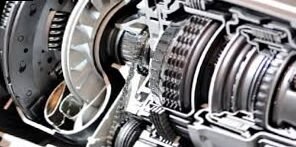
With the help of the control knob it is possible to set the automatic gear shifting mode best suited to the situation:
“P” Parking lock. The parking lock is an additional protection when parking your car. It is only activated when the car is stationary.
“R” Reverse. Reverse gear is only engaged when the car is stationary.
“N” Free run. There is no power transmission between the engine and the rear axle. After releasing the brake, the car can move freely (pushing or towing). Do not enter “N” with the car in motion, except when the car skids (for example on a slippery road in winter).
“D” Normal Eiga. All gears are used. “D” is used under normal driving conditions.
“3” Ascent. The gears are linked to the higher gears only up to 3rd gear. Appropriate for use on moderate climbs or slopes. Since the gearbox does not engage 4th gear, it is possible to exploit the engine braking effect.
Load “L”.. The gears are linked to the higher gears only up to 2nd gear. It is used when driving on steep slopes, in the mountains with a trailer, in difficult driving conditions, as well as when braking on extreme slopes.
Important! Do not exceed the speed limit in each gear. Look at the dash marks on the speedometer. Move the control lever to another position only when the vehicle speed is not higher than the maximum speed allowed for the gear you are engaging in. Reversing the engine can damage it. On slippery roads, if possible, do not change gear.
Towing trailers. Do not let the engine rev down while climbing. Timely switch the control knob to “S” or “L”.
Stop. When stopping for a short time, for example at a traffic light, leave the control lever in its current position and use the service brake. When the engine is stopped for an extended period of time, set the control lever to the “N” position. When going uphill, do not keep the car stationary with the speed pedal alone, use the brake. This will reduce unnecessary heating of the gearbox.
Maneuver. When maneuvering in tight spaces, such as a parking lot, change the speed of the car by using the service brake. Use the accelerator pedal sparingly, do not control it. To “swing” the car on a slippery surface (mud, snow), slightly press the speed pedal and by connecting the lever between “R” and “D” move the car away.
Check automatic transmission oil
Regularly check the oil level in the automatic transmission at the same time as checking the oil in the engine. Check the oil level with the engine running, with the parking brake pedal depressed and the control lever in the “P” position. The car must be parked on level ground. Let the engine idle for 1-2 minutes before checking.
Maintain meticulous cleanliness! Use a clean, lint-free cloth (preferably leather) to clean the instrument. Pour oil into the dipstick cavity only through a dense filter. Even a little dirt can damage the gearbox.
The oil level in the gearbox changes depending on the temperature. The Min and Max marks on the indicator are indicated for oil at a temperature of 80ºC (normal gearbox operating temperature).
At a temperature of 20-30ºC, the maximum oil level is below the minimum mark during:
30 mm (200; 230E; 230 CE – gauge without lock)
12 mm (200; 230E; 230 CE – lock gauge)
5 mm (250; 280E; 280CE- gauge with lock)
This data is necessary when changing the oil, because it is usually poured at this temperature. Do not exceed the maximum oil level. Otherwise, excess oil must be drained or pumped out.
Dipstick with lock: The oil level must be measured by inserting the dipstick fully with the lock folded. After finishing work, insert the oil dipstick all the way and close the lock.
Starting a car with automatic transmission while towing
Set the gear lever to the “N” position. Turn the ignition key to position “2” (for type 200, first turn the key briefly to “start”) and then tow the car. To start the engine, move the gear lever to the “L” position. Release the accelerator pedal when the engine starts. When the engine starts, immediately move the lever to the “N” position.
If the engine does not start within a few seconds, it is necessary to move the control lever from the “L” to “N” position, otherwise there is a risk of damage to the gearbox. To restart the engine, tow the car for a while and then try starting it again.
Likewise, the engine can be started in an emergency and when going down a hill.
Towing a car with automatic transmission
Without damaging the gearbox, the car can be towed only by pushing the gear lever to the “N” position. The towing speed does not exceed 50 km/h and the distance does not exceed 120 km. For longer distances you can only tow by lifting the rear axle of the car or disconnecting the driveshaft from the rear axle.
When transporting a car, it is best to use a car transporter or a special trailer. This method is advisable in any case where there are doubts.
latest posts published
Citroën ë-Jumpy won the prestigious Millésime Trophy

The purpose and function of the stabilizer
Maintenance of vehicles (transporting dangerous goods)
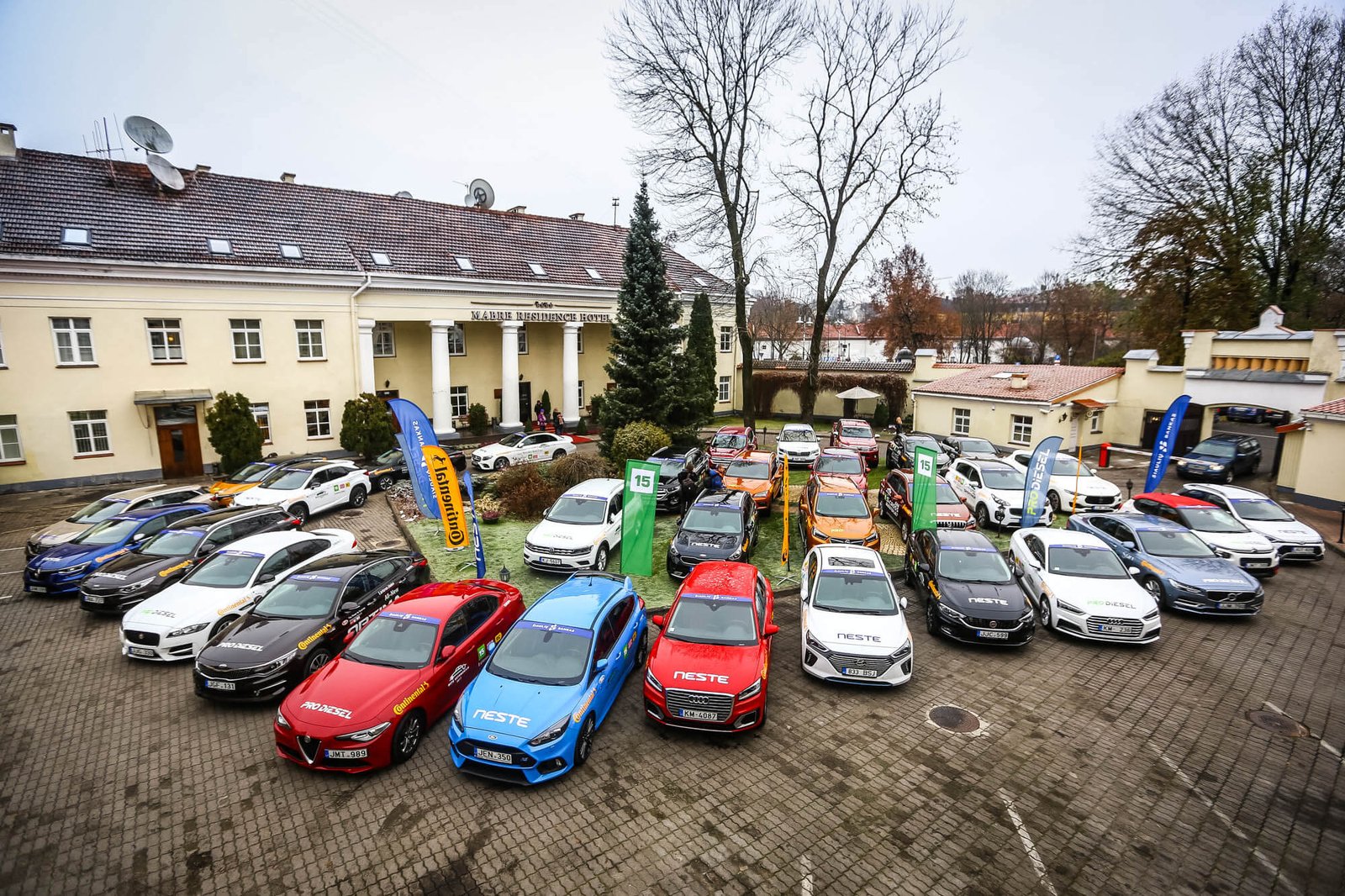
The Lithuanian jubilee elections for “Car of the Year” have begun
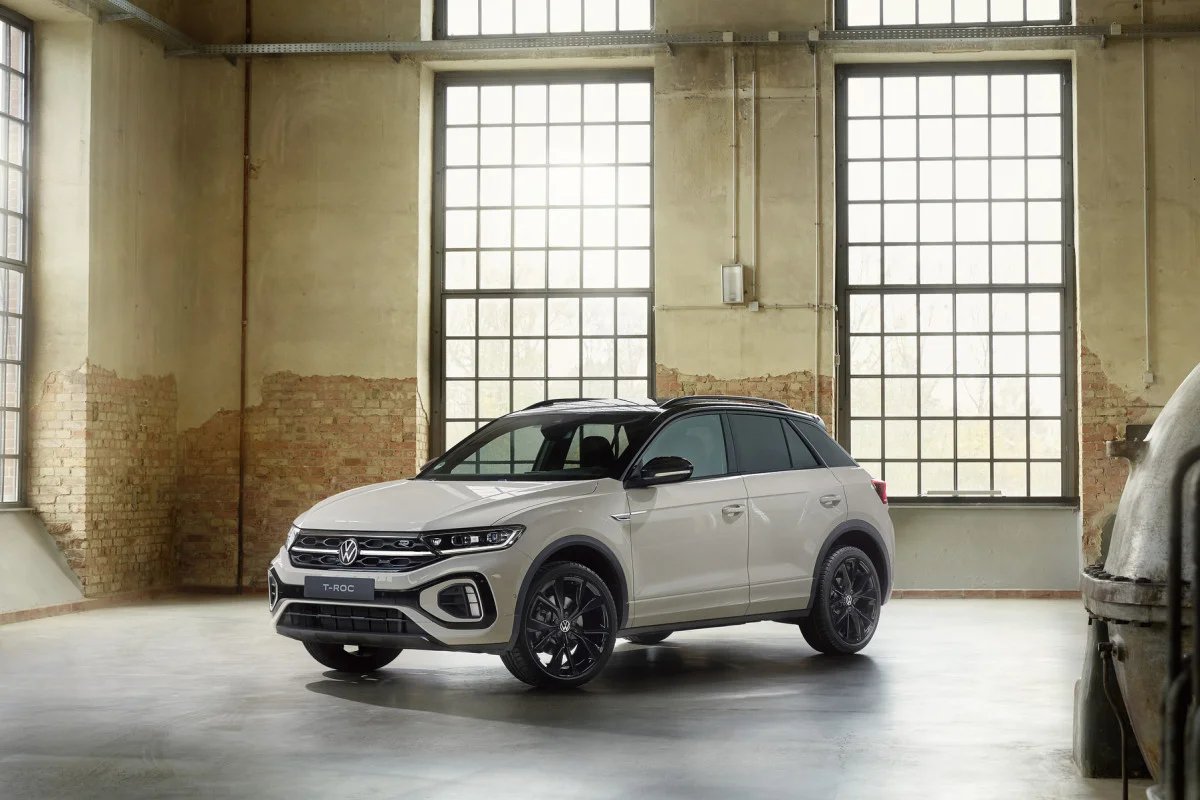
Volkswagen presented the updated T-Roc
An intelligent wildlife warning system for motorists
Features of electric car charging with a simple click
Four ways to identify a sunken car
In the new city – 2 kilometers of new cycle paths, pedestrian paths are being renovated