
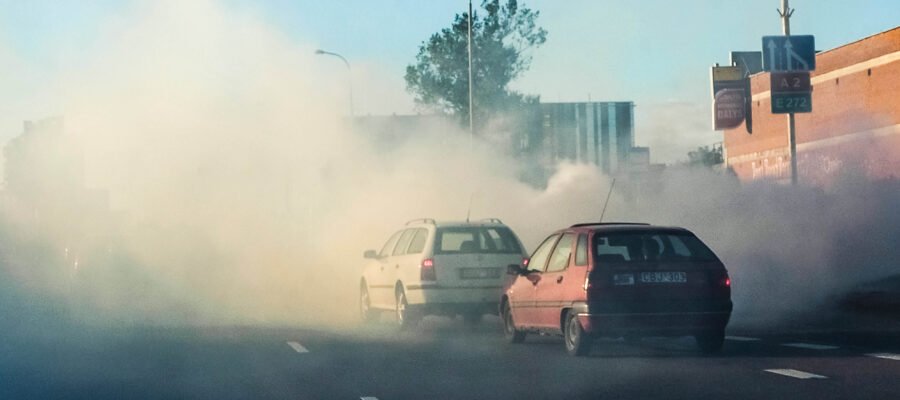
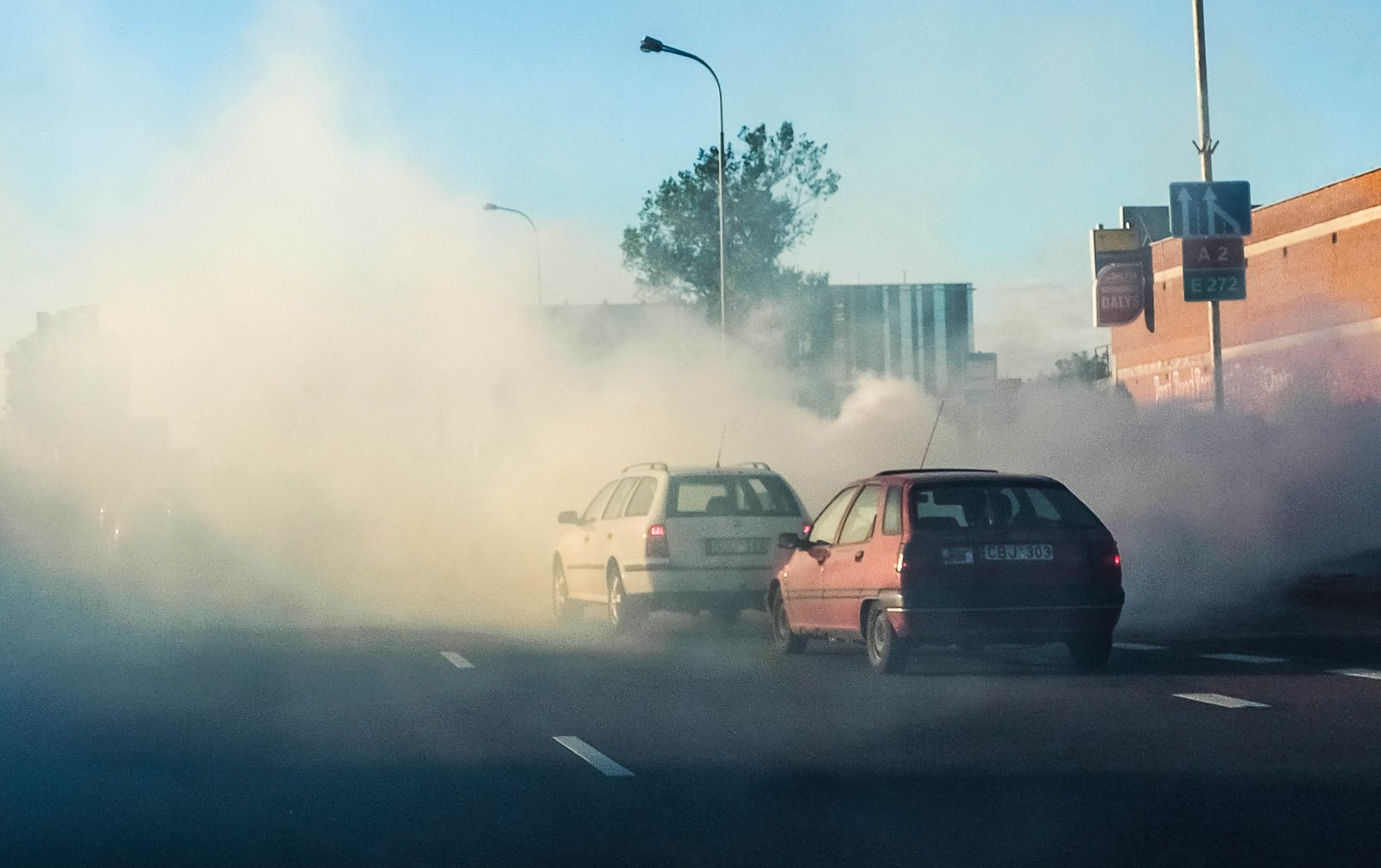
The director of the Telšia TAC, Arvydas Plienius, commenting on similar incidents, emphasizes first of all that a vehicle whose systems, assemblies and assemblies do not have subtle, imperceptible or hidden defects and/or malfunctions in operation, which is adequately prepared for operation and mandatory technical inspection, whose technical condition, operation and efficiency of systems, assemblies and assemblies meet the requirements established by the manufacturer and legal acts, cannot in any way fail during the technical inspection due to the inspection during the inspection the procedures, procedures, inspection methods, methods or measurements established by the applicable regulatory documents governing the performance of the inspection.
“During the smog test, the engine reaches the limited maximum speed. In this mode, the engine runs for about 5 seconds, and when the accelerator is released, it returns to the nominal speed, the so-called idle speed. The operation of the engine is regulated by a number of electronic and mechanical systems. One of them is the inflation of the turbocharged engine (air supply to the engine fuel system) with intermediate cooling of the supplied air. The cooling of the air takes place in the air cooler, otherwise known as “intercooler”. Everything is fine when the turbine is in good condition, but when the turbine shaft bushings wear out, engine oil from the engine’s lubrication system begins to seep through them into the “intercooler”, which accumulates in the “intercooler” and, under certain circumstances, such as suddenly pressing the accelerator pedal during overtaking or during an engine smoke test during a technical check, enters the combustion chambers of the engine cylinders from the “intercooler”. “successfully” like diesel, only it emits a thick cloud of smoke), combustion becomes uncontrollable and, without doing anything, the engine speed increases until the engine usually breaks down mechanically: connecting rods, crankshaft, piston fingers and pistons break, broken parts pierce the engine block, damage the engine cylinder head. In this case, there is a danger to people around that the “gassed” and exploded engine parts will scatter with great force. in all directions, bounce off the ground or pierce the engine, injure nearby people, cause a fire or similar. There are only two ways to stop such a process: when the engine hood is open, you can try to “choke” it by covering the air intake or by disengaging the clutch, engaging the gear and simultaneously pressing the brake”, notes A. Plienius.
The first option is undoubtedly more dangerous and psychologically more difficult:
an uncontrollably “gassed” engine emits a loud noise and smokes a lot, so deciding to lift the bonnet and plug the air intake of the engine air filter with some practical material (a piece of paper or a piece of cloth) can be really complicated. Moreover, it lasts quite a long time, and the parts of the “exploded” mechanism can at any time injure both the person trying to stop the engine and the surrounding people. Meaning what. the second way, that is, turning off the “stuck” engine by pressing the clutch pedal, engaging the gear, releasing the clutch and simultaneously holding down the brake pedal, is more acceptable and allows you to avoid greater damage to the car, its engine, etc.
Unfortunately, even after a quick and professional response to the accident, when the speed of the diesel engine begins to increase uncontrollably, it is not always possible to avoid mechanical failures. It is especially dangerous if such an accident occurs on the road (for example, when switching to a lower gear and pressing the accelerator all the way – such maneuvers are performed by drivers many times a day). Then the car not only begins to accelerate intensively, but also emits a thick plume of smoke from burning oil, which hinders the orientation of other road users.
Should TA inspectors be held responsible if an engine “gasses” during a smoke test during a technical inspection? Answering this question, A. Plenius takes a categorical position.
“The fault of the controller is not and cannot be if, during the inspection, the established technical requirements, all procedures, methods and methods are followed exactly. That is, if the smog test is started after evaluating the mechanical condition of the engine – after carrying out a visual inspection of the engine and its compartment, after checking the levels of engine oil and coolant, the state of the engine belts, after evaluating the noise emitted by the running engine and without identifying any defects in the mechanical condition of the engine. On the other hand, it is foreseeable that the so-called “intercooler” contains accumulations of leaked engine oil, there is not even a theoretical possibility, because such failures can only be compared to the “internal bleeding” of the human body, which is often impossible to identify with the naked eye. The description of the technical inspection states that “before handing over the vehicle for mandatory inspection, the owner of the vehicle must prepare it properly, so that the technical state, operation and efficiency of the systems, assemblies and assemblies meet the requirements established by the manufacturer and the laws. This point also establishes that, if the vehicle has not been adequately prepared, the technical inspection company is not responsible for failures that occur during the mandatory inspection or the control inspection”, specifies A. Plienius.
latest posts published
Citroën ë-Jumpy won the prestigious Millésime Trophy

The purpose and function of the stabilizer

Maintenance of vehicles (transporting dangerous goods)

The Lithuanian jubilee elections for “Car of the Year” have begun

Volkswagen presented the updated T-Roc

An intelligent wildlife warning system for motorists
Features of electric car charging with a simple click
Four ways to identify a sunken car
In the new city – 2 kilometers of new cycle paths, pedestrian paths are being renovated