
CMR insurance, an essential pillar in the world of international cargo transportation, provides a safety net for both carriers and their customers. Although considered optional by law, in practice it becomes almost indispensable, representing a competitive advantage and a guarantee of reliability towards commercial partners. We at compara-asigurari.ro will help you with a summary of everything that is essential and important to know about CMR insurance.
Definition of CMR insurance
Based on the Geneva Convention of 1956, which Romania joined in 1972, CMR insurance functions as a civil liability policy for transporters, covering damage to transported goods. It is primarily intended for companies involved in the transportation of goods, both nationally and internationally.
Imagine that you own several vehicles and transport different types of goods. For various reasons, such as a road accident, a truck overturning or a theft, goods can be damaged. In these circumstances, liability for damage to the goods falls on you.
Here too we imagine that the goods transported have a significant value. Damages suffered can have serious consequences, including the possibility of business failure, especially for start-up entrepreneurs who may not be able to afford compensation costs. The legislation provides that the owner of the property can request compensation for damages.
By taking out CMR insurance it is possible to transfer these risks to the insurance company, which will assume responsibility for any damage to the goods, provided that there are no other impediments or restrictions specific to CMR insurance.
Standard CMR insurance covers total or partial loss, damage and delay, with the possibility of extending it to additional risks such as theft or damage to containers. Typical exclusions include damages not subject to the carrier’s liability, such as diminished value of the goods, effects of war or strikes, or damages caused intentionally by the insured in reliance on an established contract of carriage.
Coverage provided by CMR Insurance
CMR insurance, in most situations, protects against loss or damage to goods beyond the expected delivery time, without exceeding transport costs, and covers the expenses necessary to minimize losses and recover damaged goods.
The policy can be specific for a single transport, with coverage limited in both time and space, based on the contract, or it can be extended for a longer period, applying to multiple vehicles.
Exclusions offered by CMR Insurance
CMR policy exclusions often ignore events outside of the carrier’s control, including but not limited to:
- decrease in the value of the goods transported;
- Damage caused as a result of armed conflicts;
- Damage caused by strikes;
- Costs associated with exchanging goods;
- Damage resulting from repairs of damage not covered by the CMR policy;
- Delays caused by force majeure, sender or recipient errors;
- Damage to the goods due to the use of open vehicles, compromising the quality of the goods;
- Problems caused by improper packaging of the goods;
- Damage resulting from improper handling during loading or unloading;
- Normal weight loss, leaks, corrosion, normal wear, tears or cracks;
- Damage caused by insects or rodents;
- Transport of live animals;
- Inaccuracies in the numbering or marking of packages;
- Theft of property, with some limitations;
- Delays in delivery due to causes not foreseen in the contract;
- Intentional damage caused by the insured or his employees;
- Driving while intoxicated beyond the permitted limit;
- Crimes committed with premeditation on the part of the driver;
- The vehicle without a valid registration certificate;
- Indirect damage caused by nuclear explosions, radiation or radioactive contamination;
- Contamination with specific pollutants;
- Engaging in illegal activities such as smuggling or clandestine trading;
- Use of a vehicle unsuitable for the type of goods transported;
- Damage caused when the vehicle does not have a valid periodic technical inspection;
- Damage to your vehicle, which is covered by your car insurance.
These exclusions highlight the importance of a full understanding of the terms and conditions of the CMR policy to ensure that the transport of goods is carried out with adequate cover and in complete safety.
Extension of coverage by some insurance companies
Due to the complexity of freight transportation, insurance companies have become more adaptable to the risks covered by CMR policies, offering:
- Extend coverage internationally, including outside Europe and for subcontracted vehicles;
- Coverage for damage suffered during cabotage operations;
- Coverage for damage caused by third-party trailers involved in transportation;
- Shipping container damage coverage;
- Protection against theft of transported goods.
These policies can cover a wide range of goods, from general to dangerous or high-value goods, including cars and bulk goods.
Mandatory elements in a CMR policy
A valid CMR policy must include essential aspects such as insured risks, exclusions, territoriality details, validity period, payment information, conditions for termination of insurance, limit of liability, obligations of the parties, as well as the procedure for assessment and payment of damages, along with other specifications of the insurer.
Through these features, CMR insurance becomes an essential tool for any transport operator, offering protection and security in the face of logistical and financial challenges.
Termination of the Policy
The procedure for taking out the policy is simplified, as it can be carried out online or through intermediaries, favoring the choice of an offer aligned with the specific needs of the company. It is essential to evaluate the coverage, the sum insured and the cost of the policy to ensure the most effective protection.
Once the appropriate offer has been selected, the insurance company will issue the CMR policy. In order for this policy to be considered valid, it must include the following essential elements:
- The risks covered by the insurance;
- Policy specific exclusions;
- Details regarding the geographical coverage area;
- Duration/Period for which the insurance is active;
- Details relating to the payment of the insurance premium;
- Terms relating to the expiry of the policy;
- The maximum liability assumed by the insurer;
- Liability of the insurance company;
- Responsibilities of the contractor;
- The procedures for identifying and assessing the damage, as well as the methods of compensation;
- Other specific details for each individual insurer.
These components are extremely important to ensure transparency and mutual understanding between insurer and insured, establishing the legal and operational foundations for the administration and execution of the CMR insurance policy.
Additional coverage situations
Insurance companies often extend the standard coverage of CMR policies to include a variety of additional protections, which may include:
- Compensation for costs necessary to reduce or avoid damage;
- Costs related to legal proceedings;
- Protection against theft, including in the event of burglary or robbery;
- Protection of sensitive goods, such as refrigerated goods, from deterioration in quality due to failure of refrigeration equipment during transportation;
- Coverage for cabotage operations;
- Compensation for damage suffered during the handling, loading or unloading of the goods;
- Liability for goods transported by trailers or trailers not owned by the insured;
- Coverage for damage to cargo shipping containers.
These additional options provide more comprehensive protection, tailored to the different and specific needs of carriers and their cargo.
Obligations and responsibilities
As a CMR policyholder, you have specific responsibilities to ensure compliance with the terms of the insurance. Here are the main obligations:
- Provides written responses to insurance company inquiries and provides a complete description of all details relevant to the transportation of goods. These details are essential to assess the level of risk;
- Notify the insurance company officially and in writing of any accident affecting the goods, within a maximum of 24 hours from its occurrence;
- Pay insurance premiums according to the schedule established in the insurance contract;
- Take appropriate actions to minimize damage and protect unaffected property in the event of an accident;
- Contact the competent authorities – police, fire brigade or ambulance – in case of fire, explosion or any other emergency.
These obligations are fundamental to maintaining the validity of the insurance and to guarantee the effective protection of the goods transported.
Costs and Duration
CMR insurance costs vary depending on the insurance company and are based on criteria such as the type of goods transported, the specifications and condition of the vehicle used, as well as the amount you wish to insure. The insurance premium can be reduced by taking out a policy with a deductible, calculated as a percentage of the sum insured or as a fixed value, applicable for some types of damage, such as theft, or extendable to various risks covered by the CMR policy.
The period covered by CMR insurance is specified in the contract, usually 12 months, but can be changed for longer or shorter intervals. The insurance starts from the date indicated in the contract, upon payment of the insurance premium, and expires at the end of the contract period.
The insurance company has the right to unilaterally withdraw from the policy, in accordance with the law, provided that the customer is informed in writing and with 20 days’ notice. Likewise, the insured may renounce the policy by communicating this decision with similar terms to the insurer.
CONCLUSIONS
In the context of today’s globalization, CMR insurance becomes a vital tool for any player in the field of freight transport, offering not only financial protection, but also a strategic advantage. The correct choice of the policy, detailed knowledge of what it covers and awareness of the obligations deriving from it are the secret to making the most of its advantages and ensuring compliant development of entrepreneurial and business activities.
In conclusion, CMR insurance is more than just a legal obligation or operational cost; it is an investment in the security and sustainability of the business, a guarantee of the quality of the services offered and a pillar of trust in the relationship with commercial partners.
We, the www.compara-asigurari.ro team, invite you to contact us for any questions, clarifications or additional requests. Our dedicated team is here to provide you with the support and information you need to select and take out the right CMR insurance policy for your business. Regardless of the size or nature of your business, we are ready to offer you customized solutions and expert advice. We’re here to provide you with the assistance you need to protect every shipment and every step of your trading journey.

latest posts published
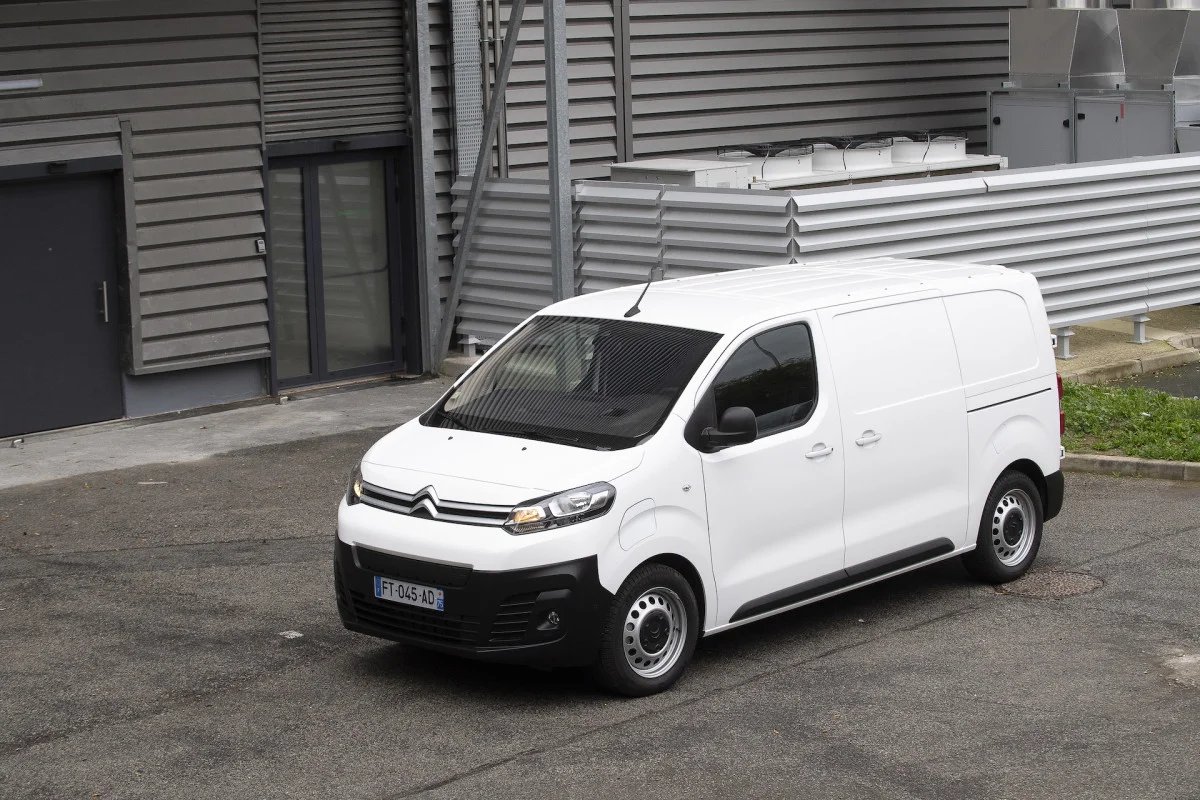
Citroën ë-Jumpy won the prestigious Millésime Trophy

The purpose and function of the stabilizer
Maintenance of vehicles (transporting dangerous goods)

The Lithuanian jubilee elections for “Car of the Year” have begun
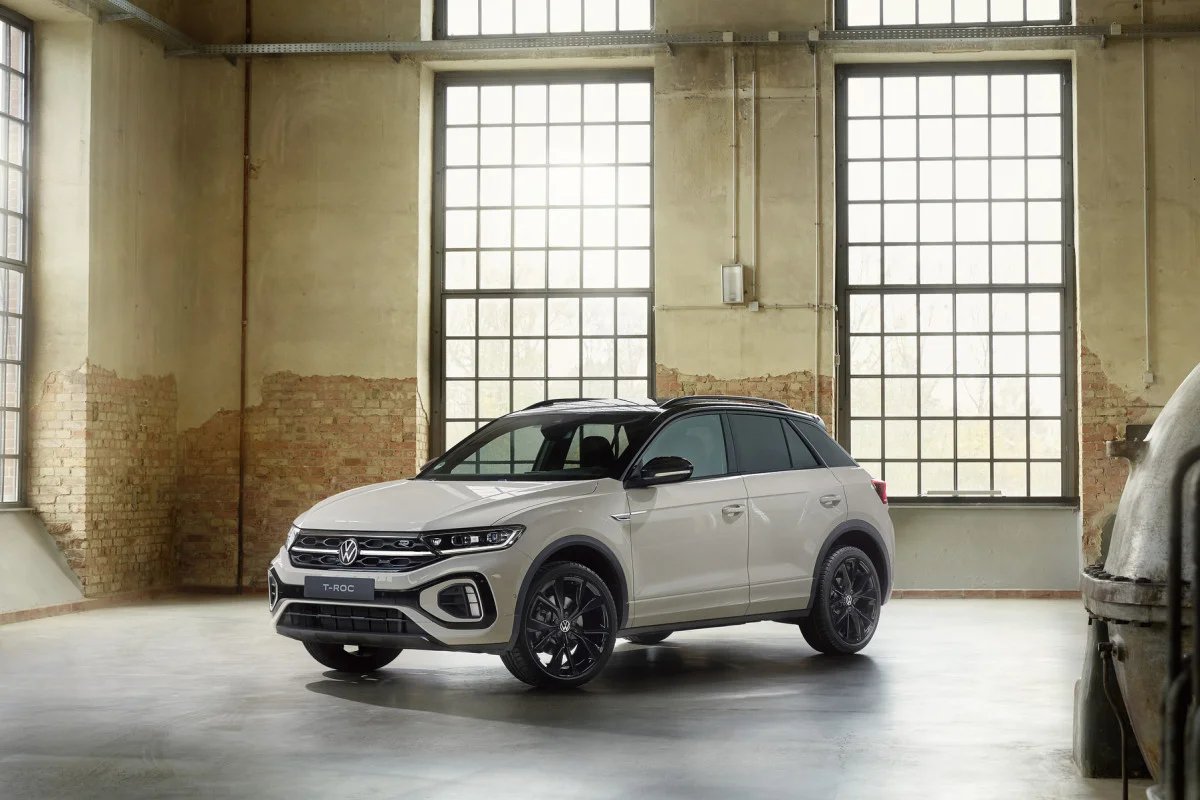
Volkswagen presented the updated T-Roc

An intelligent wildlife warning system for motorists
Features of electric car charging with a simple click
Four ways to identify a sunken car

In the new city – 2 kilometers of new cycle paths, pedestrian paths are being renovated