Expert on using electric cars during a storm: is it dangerous to charge in the rain
Like petrol and diesel cars, electric vehicles are subjected to rigorous safety and water resistance tests. These tests also check specific components of the electric vehicle to ensure that the high-voltage cables, charging socket and battery are waterproof so they can be used safely, for example in the rain. This also applies to the safe washing of electric vehicles in manual or automatic car washes.
“Contrary to popular belief, electric vehicles can be even more resistant to atmospheric agents, such as rain or snow, than internal combustion engine vehicles. The materials used in the construction of electric cars are waterproof: rubber seals, sealed housings, waterproof batteries and electric motors, etc.
Batteries are hermetically sealed during manufacturing to keep dirt out and protect the interior. Additionally, manufacturers are required to meet rigorous water resistance standards that ensure protection against temporary immersion in water. Even in the event of a short circuit or electrical problems due to water, the safety systems built into every electric car will automatically interrupt the electrical circuit, thus preventing further damage and ensuring the user’s safety,” says Mindaugas Plukys, coordinator of public relations and communication for Renault in the Baltics, on the specifics of electric cars.
What if lightning strikes?
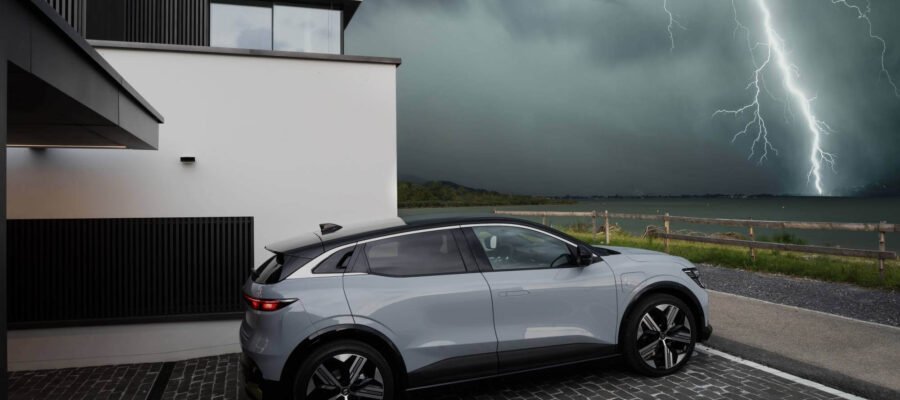
According to the expert, the probability of an electric vehicle being struck by lightning is no greater than that of any other vehicle. But interestingly, in this case, an electric car is a much safer place to be during a thunderstorm than being outdoors.
“The metal structure that surrounds each vehicle allows energy to pass through the outer shell of the car, preventing it from penetrating inside and protecting the driver and passengers. For this reason it is advisable not to leave the car during a storm, because it is safer inside”, adds M. Plukys.
It’s safe, but extra caution won’t hurt
Electric cars are electrical devices like any other. Therefore, the question that arises in a part of the public regarding loading this type of vehicle in the rain is completely justified. However, according to the interviewer, electric cars are designed to withstand such weather conditions. So it is safe to charge an electric car in the rain.
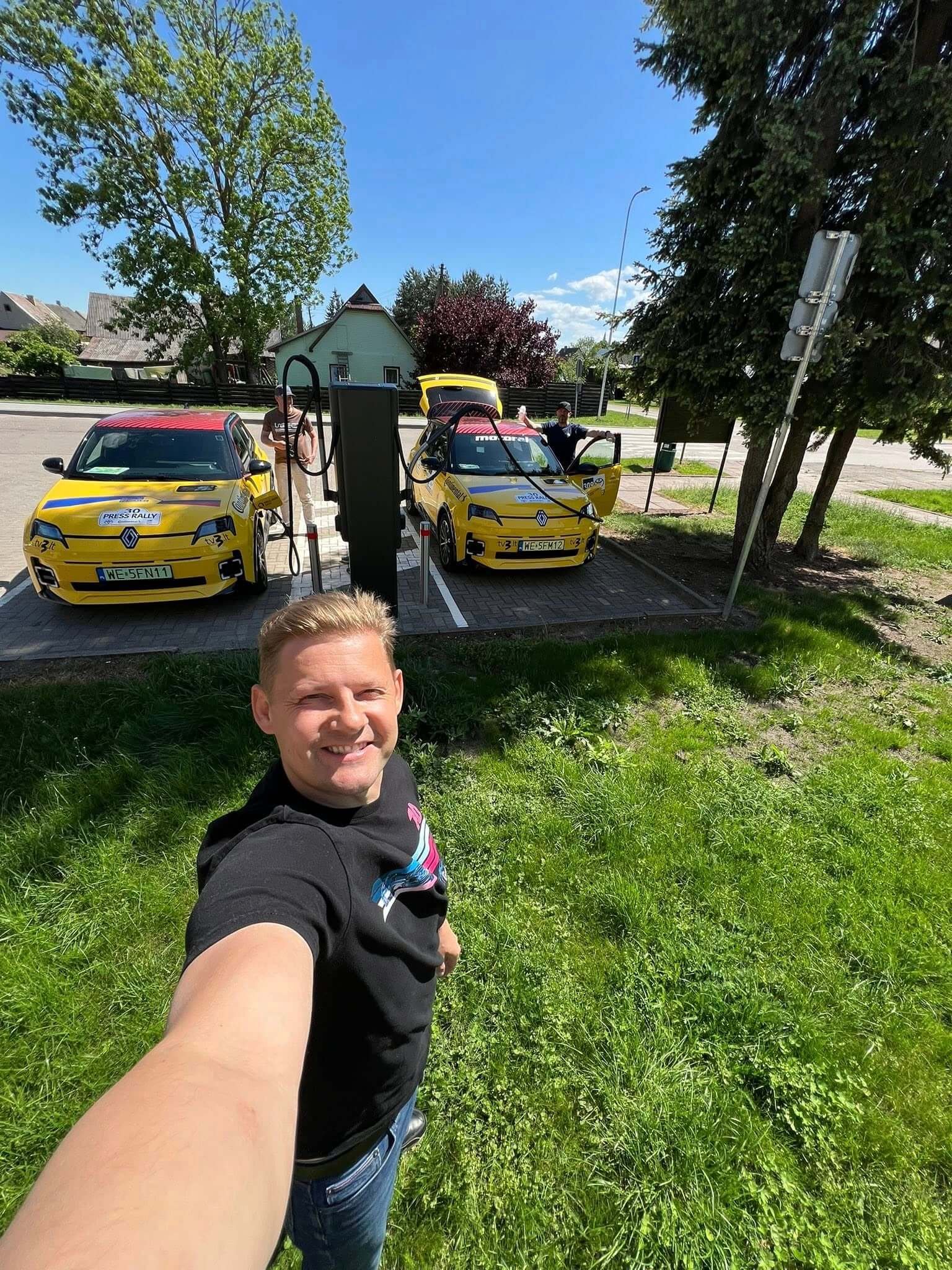
“Until the cable is connected correctly to the plug, the current does not flow. When the plug is connected to the charging socket, the system creates a waterproof connection that remains secure throughout the charging process. Electric vehicle charging components: all cables, sockets, charging points, etc. are carefully tested and designed to work in all weather conditions, even when it rains. In this case, thanks to the waterproof connectors that prevent water from coming into contact with the electrical components, there is danger of getting an electric shock”, assures M. Plukys.
According to the expert, to correctly charge an electric car in case of rain it is necessary to follow the safety and use instructions recommended by the car manufacturers. These instructions are based on the same general precautions that apply when using conventional electrical devices: for example, avoiding contact of the cables with moisture or not connecting the electric vehicle to the charging access during a thunderstorm.
“Some electric vehicle charging stations are designed for installation in indoor parking lots or garages. Additionally, there are waterproof charging stations with an IP65 or higher protection rating that can be installed outdoors and even function in the rain. However, basic safety precautions are still necessary.”
Fast charging stations and public charging stations are equipped with special safety devices that enable faster charging speeds. The system performs an electronic test before the circuit is activated. If the system detects a short circuit (e.g., due to moisture), the charging process will not begin. “These safety measures partly explain why charging at a charging station is more expensive than charging at home,” explains M. Plukys, Reynolds Baltic Region Public Relations and Communications Coordinator.
latest posts published
Citroën ë-Jumpy won the prestigious Millésime Trophy

The purpose and function of the stabilizer
Maintenance of vehicles (transporting dangerous goods)
The Lithuanian jubilee elections for “Car of the Year” have begun
Volkswagen presented the updated T-Roc

An intelligent wildlife warning system for motorists
Features of electric car charging with a simple click
Four ways to identify a sunken car

In the new city – 2 kilometers of new cycle paths, pedestrian paths are being renovated