1. Moisture and dirt
Don’t be shy and touch the spots where the water stays the longest. The underside of the seats, the floor covering, the glove compartment, the seat anchors or the trunk may be damp. Also look for mud residue that may have dried and turned into loose mud.
Drowning is also revealed very quickly by fogging of the front or rear lights, as well as moisture on the dashboard. One place that is always worth paying attention to is the spare wheel compartment in the trunk.
Unscrupulous sellers clean the trunk carpet, but usually forget to look underneath.
2. Unpleasant odor
Fixing a flooded car is much easier than removing the resulting unpleasant odor. The interior usually smells musty, and if you suspect the seller has used air fresheners, put your nose close to the floor mats. No chemicals will help you get rid of the unpleasant odor quickly.
3. Messy living room
Moisture causes stains on carpeted floors or fabric upholstery. Before sale, the cars are cleaned quickly, but hard-to-reach cavities remain untouched.
New carpets, cheap upholstered seats or uneven floor coverings can betray the seller’s nefarious intentions.
4. Rust in unusual places
For used cars, rust in the wheel arches, under the doors and anywhere on the edges of the body is natural. Another question is when you see them in the fuse box, on fasteners in the engine compartment or anywhere in the wiring. It already betrays the effect of the water. When digging out a flooded car, rust will also be visible where the spare tire is attached.
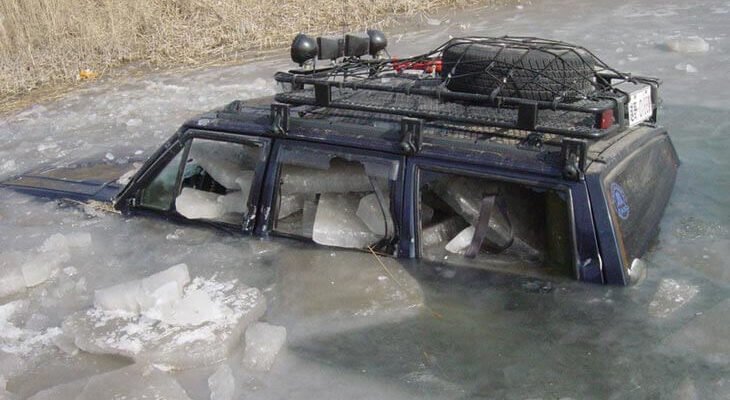
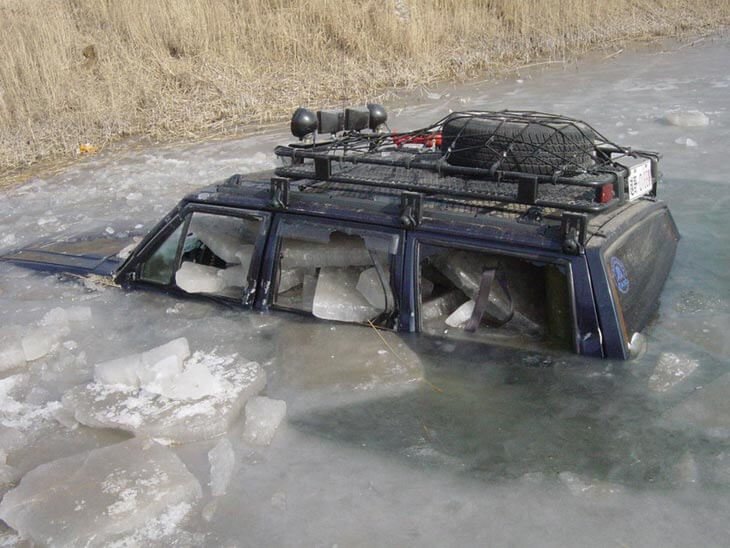
After the devastating hurricanes that struck the United States, tens of thousands of flood-damaged vehicles are now making their way to international markets, including Europe. According to the Lithuanian news portal lrytas.lt, buyers must be especially cautious to avoid purchasing what may turn into a very expensive problem.
In Lithuania, more and more buyers are trying to check the history of a used vehicle before making a purchase. However, it is important to understand that even paid vehicle history reports do not always provide complete or fully accurate information. Some flood-damaged cars may not be properly registered as such, or documentation may be incomplete. That is why a detailed physical inspection remains one of the most important safety measures.
A serious warning sign appears when a seller resists allowing a professional inspection or begins imposing unusual conditions. Transparency is essential in any used car transaction. If the seller avoids questions, refuses diagnostic testing, or pressures you to make a quick decision, this should immediately raise concerns.
If you are able to arrange a thorough inspection, here are four essential tips to help determine whether a car has been submerged:
1. Check for moisture and unusual odors.
A musty or moldy smell inside the cabin is often one of the first signs of water damage. Pay attention to damp carpets, upholstery, or fogging inside headlights and taillights.
2. Inspect electrical systems.
Flooded vehicles frequently develop electrical issues. Test all electronic components, including windows, infotainment systems, seat controls, and dashboard indicators.
3. Look for corrosion and rust in unusual areas.
Examine seat rails, screws under the dashboard, metal brackets, and wiring connectors. Rust in hidden or interior areas may indicate prolonged water exposure.
4. Check for mud or debris in hard-to-reach places.
Inspect under seats, inside trunk compartments, beneath carpets, and in engine bay crevices. Residual dirt or sediment can reveal previous submersion.
Careful inspection and skepticism can protect buyers from costly mistakes and long-term mechanical or electrical failures.
latest posts published
Citroën ë-Jumpy won the prestigious Millésime Trophy

The purpose and function of the stabilizer

Maintenance of vehicles (transporting dangerous goods)

The Lithuanian jubilee elections for “Car of the Year” have begun

Volkswagen presented the updated T-Roc

An intelligent wildlife warning system for motorists
Features of electric car charging with a simple click
Four ways to identify a sunken car
In the new city – 2 kilometers of new cycle paths, pedestrian paths are being renovated