Choosing the right motorcycle helmet is not just a question of style; It’s a vital decision that directly affects your safety and comfort on the road. Whether you’re a scooter, motocross or street bike enthusiast, understanding the different options available and knowing what best suits your needs can make the difference between an enjoyable ride and a potential risk. This comprehensive guide aims to provide you with all the information you need to make an informed choice, drawing on the latest safety standards and innovations in motorcycle helmet design. You will discover the advantages and disadvantages of the different types of helmets, advice for choosing the right size, as well as advice on the best current models.
Why is it essential to choose a good motorcycle helmet?
Maximum security: Your helmet is your first line of defense in the event of an accident. Choose a helmet that meets safety standards European (ECE) or American (DOT) can significantly reduce the risk of serious injury in the event of an impact.
Comfort and performance: A good helmet must not only protect but also be comfortable, even on long journeys. It must offer good ventilation, be lightweight and not limit the field of vision.
Regulatory Compliance: In France and many other European countries it is mandatory to wear an approved helmet. A helmet that complies with current regulations ensures that you comply with the law while benefiting from the best possible protection.
The different types of motorcycle helmets
When choosing a helmet, understanding the specifics of each type can greatly influence your decision. Here’s an exploration of three main types of helmets available on the market, each offering different levels of protection, comfort and functionality.
Jet helmet
- Description: Jet helmets, often called “open helmets”, do not have a chin guard, which makes them less bulky and offers a greater feeling of freedom. They are particularly popular with scooter owners.
- Advantages:Excellent peripheral visibility. Lightweight and comfortable, ideal for short trips or in hot weather.
- Disadvantages:Less protection, especially around the jaw and chin. More exposed to atmospheric agents such as wind and rain.
- Recommended use: Perfect for city riding or hot days where comfort and ventilation are a priority.
Modular helmet
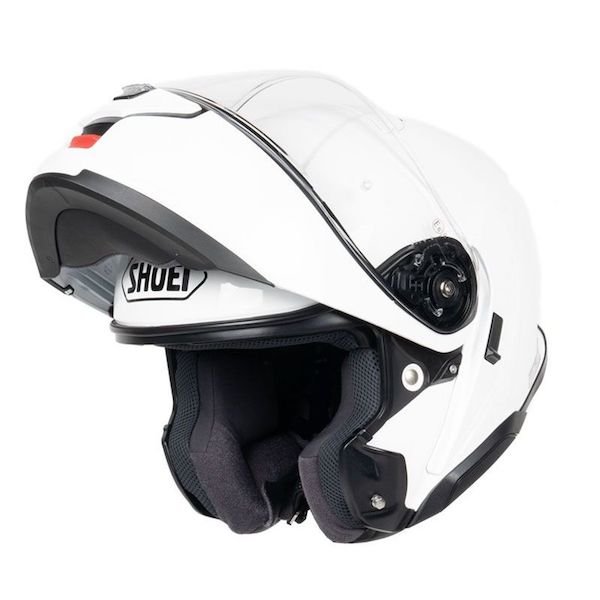
- Description: A combination of jet and full-face helmets, modular helmets offer a liftable chin guard that transforms the helmet from full-face to jet in a simple gesture.
- Advantages:Flexibility of use in open or closed mode depending on conditions. Good protection when closed, similar to that of a full-face helmet.
- Disadvantages:Heavier than jet helmets thanks to additional mechanisms. Potentially less safe than full-face helmets due to the articulated chin guard.
- Recommended use: Ideal for cyclists who appreciate versatility for different types of riding, combining the comfort of an open helmet with the protection of a closed helmet.
Full-face helmet
- Description: Full-face helmets provide full head and face coverage, with a fixed chin guard providing the highest level of protection.
- Advantages:Better overall protection, especially against frontal impacts. Significantly reduced wind noise, improving comfort during long, high-speed journeys.
- Disadvantages:Less ventilation than jet models, which can be uncomfortable in hot weather. Slightly reduced field of vision compared to jet helmets.
- Recommended use: The preferred choice for long-distance travel, racing and riders who prioritize maximum safety.
Each type of helmet has its strengths and weaknesses, and your choice will depend on your specific needs, your riding style and, of course, the conditions in which you ride most often.
How to choose the right helmet?
Choosing the ideal helmet is much more than simply choosing a type of motorcycle helmet; many other factors must be considered to ensure comfort, safety and compliance. Here are the main criteria to evaluate when purchasing your motorcycle helmet.
Size and fit
- Importance of the correct size: A properly fitted helmet is essential for optimal protection. A helmet that is too large can slip or come loose in a crash, while a helmet that is too tight can cause discomfort and distraction.
- How to measure your head : Use a tape measure to measure the circumference of your head at the height of your forehead, approximately 1 inch above your eyebrows. Match this measurement with the available sizes according to the manufacturer’s specifications.
- Try before you buy: Always try on your helmet before purchasing to ensure it fits properly. It should be tight but not uncomfortable and should not move when you shake your head.
Materials and weight
- Choice of materials: Helmets can be made of different materials, such as fiberglass, polycarbonate, or carbon fiber composite. Each material has its own advantages in terms of weight, durability and shock-absorbing ability.
- Impact on weight: A lighter helmet is generally more comfortable for long periods of time, but should not compromise safety. Balance comfort and safety based on your typical use.
Ventilation and visibility
- Ventilation systems: Good ventilation is essential, especially for full-face helmets. Check for adequate air channels that allow efficient air circulation to prevent fogging and maintain comfort.
- Field of view: Make sure your helmet offers a wide field of vision to easily observe surrounding traffic. Visors should also be clear, scratch-resistant and easy to replace or remove.
Homologation and safety
- Safety certifications: Check that the helmet is approved according to local or international standards (such as ECE or DOT). These certifications guarantee that the helmet has been tested and meets minimum safety requirements.
- Additional features: Things like built-in sunscreens, antimicrobial coatings, and emergency quick removal systems can improve comfort and safety.
By following these tips you will be better prepared to choose a helmet that not only protects you effectively but is also comfortable to wear, whatever type of riding you prefer.
The best brands and models in 2024
When you are ready to purchase a new road or dirt motorcycle helmet, it is essential to choose from the best brands known for their quality and innovation in terms of safety. Here is a selection of the most reliable makes and models of 2024, each offering unique features suited to different driving styles.
Renowned brands
- Shoei : Known for its superior quality and comfort, Shoei continues to lead the market with models like the New Shoei that incorporate cutting-edge technologies in noise reduction and ventilation.
- Shark : This French brand is famous for its innovative design and high performance. The Shark Spartan model is particularly appreciated for its lightness and robustness.
- AGV : With a rich history of innovation, AGV is the choice of many professional drivers. Their AGV K-6 is ideal for road and sports use thanks to its carbon fiber shell and high visibility.
Popular models
- AraiXD4 : Perfect for off-road adventurers, the Arai XD4 offers excellent ventilation and an easily removable visor to allow the use of glasses.
- MIPS Bell Star : Featuring MIPS technology for increased corner impact protection, the Bell Star is an excellent choice for those who prioritize safety and comfort at high speeds.
- Scorpion EXO-R420 : Excellent value for money, this full-face helmet from Scorpion is SNELL approved and offers a stylish design with superior protection.
Cutting-edge technologies
Integrated communication systems: Many high-end helmets now include Bluetooth systems, like the Sena 50S, for easy and safe communication on the road.
Customizable covers: Adjustable linings and padding systems allow for a perfect fit, increasing comfort and protection.
Adaptive visors: Photochromic visors that adapt to light conditions improve visibility and reduce eye strain during long journeys.
Where to buy?
Specialized shops: For expert advice and personalized adjustments, visit a specialty shop where you can try different models and get professional advice.
Online platforms: Sites like MotoBlouz and others offer customer reviews, buying guides, and often interesting promotions.
By choosing from these recommended brands and models, you ensure that you are investing in a helmet that not only offers the best possible protection but also comfort and performance tailored to your specific needs. Don’t forget to take into consideration the latest innovations and user reviews to make the best possible choice.
Choosing the right motorcycle helmet is a crucial decision that directly affects your safety, comfort and riding experience. As we have seen, it is essential to understand the different types of headphones available: jet helmets, modular, integral, vintage – as well as key factors such as size, materials, ventilation and safety certifications. Every detail counts when it comes to protecting what is most precious: your life.
We hope that this guide has helped you clarify the aspects to consider when purchasing headphones and to identify the best models and brands currently on the market. Remember, your final choice should match your specific driving needs and lifestyle. It is always advisable to test different models and, if possible, consult experts before making your choice.
In the same topic:
– How to clean your motorcycle helmet
– How to choose a motorcycle helmet for children
– Customize your motorcycle helmet
latest posts published
Citroën ë-Jumpy won the prestigious Millésime Trophy

The purpose and function of the stabilizer

Maintenance of vehicles (transporting dangerous goods)

The Lithuanian jubilee elections for “Car of the Year” have begun
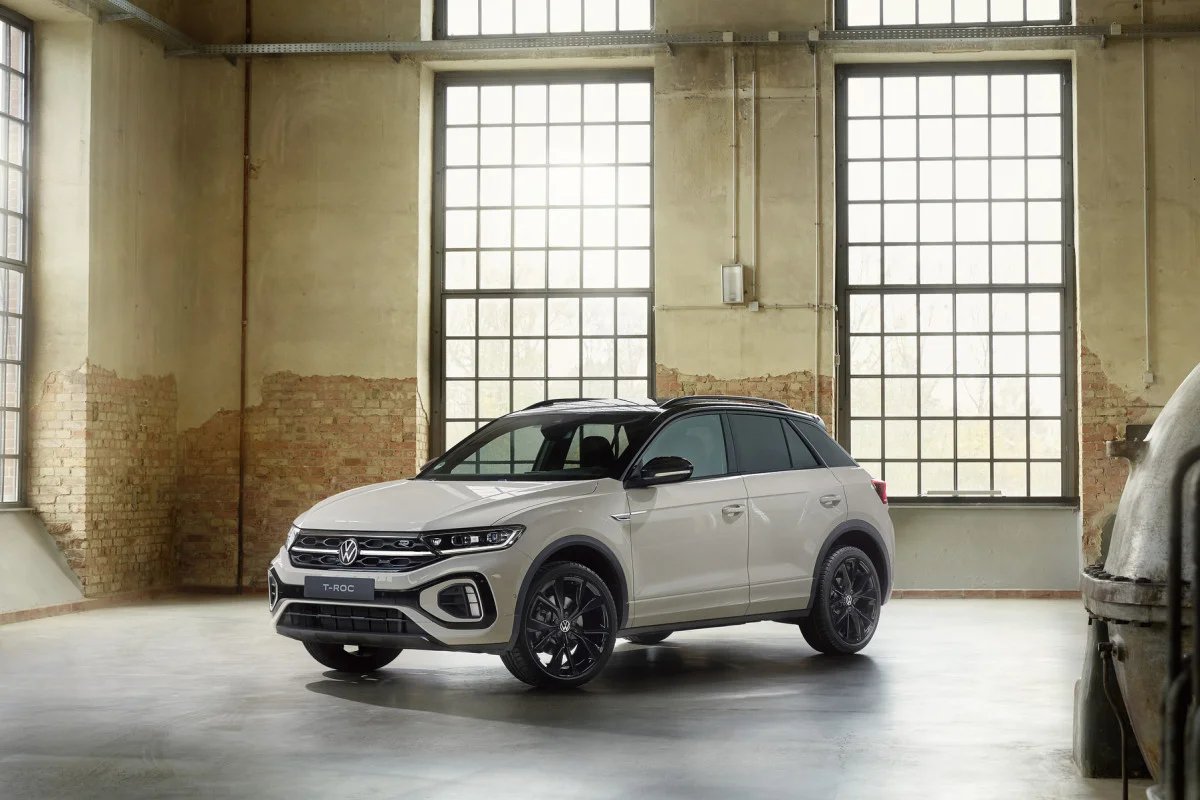
Volkswagen presented the updated T-Roc
An intelligent wildlife warning system for motorists
Features of electric car charging with a simple click
Four ways to identify a sunken car
In the new city – 2 kilometers of new cycle paths, pedestrian paths are being renovated