

“Smart tire systems are nothing new. They are common in special-purpose machines, but now is the time to make them widely available for every driver and for every vehicle,” says Sosia Causeret Josten, specialist on Goodyear’s new SightLine project.
Goodyear’s SightLine suite of intelligent tire technologies helps identify problems before they are apparent. This is possible with systems that receive data in real time and combine it with the laws of tire dynamics. Goodyear aims to implement AI-based equipment in all new products by 2027. Smart, networked tires save us time, money and increase safety on the road.
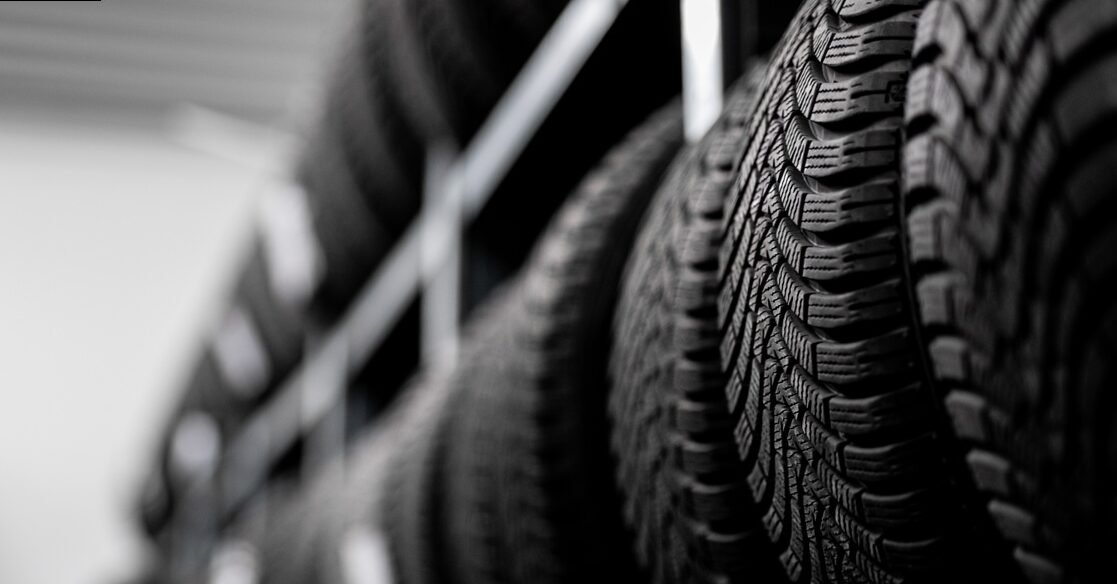
First, this system will be implemented for cargo minibus fleets. It will provide operators and drivers with overall data, help avoid tire-related downtime and reduce breakdown costs. In the first phase of the Goodyear SightLine implementation, systems will be installed that can detect tire leaks, monitor the condition of a stationary vehicle’s tires and monitor tire pressure. The system will also locate tires, calculate tire loads, mileage, monitor tread wear and more.
Goodyear plans to integrate the SightLine system into passenger cars in the near future. Then, when the tires wear out, the app will register the vehicle for a visit to the desired tire shop. This means that on the day the vehicle is brought in for service, the tires will already be present. Drivers will no longer have to think about it or take any measures, everything will be organized for them.
These technologies also ensure safer driving. In this case the ABS system always works in the same way and does not take into account the tires installed. If the ABS knew that the car was using semi-worn summer tires, it could react more quickly to reduce the stopping distance. This will be especially important in the future, when autonomous vehicles appear that will have to react on their own.
By the way, in the future you may not be able to start the car if its tires are worn out. In autonomous vehicles, such functionality can be useful as it will help reduce the risk of accidents. Using this technology, it is possible to collect data on road and tire conditions, based on which additional safety features will be implemented. A broader implementation of Goodyear SightLine is expected to begin in late 2022.
What is nepneutinehare they the tires?
A non-pneumatic tire contains no air, which is why it is often called an airless tire. Goodyear airless wheels consist of three components: the cutting load transfer belt (including the tread), the connecting belt and the rim. The most important thing here is the connecting net, the structure of which, together with the shear load transfer belt, supports the entire weight of the vehicle and ensures the necessary reaction of the tires.
Goodyear has developed a special structure that is resistant and capable of supporting the weight of the vehicle from above. This is necessary so that the tire is soft and reacts to road irregularities similar to an inflated tire.
Advantages of airless tires
Airless tires are more comfortable under heavy loads, are reliable and, above all, require no maintenance. With tubeless tires there is no need to check the air pressure and the vehicle can be driven even if something unexpected happens. If the tire is inflated, there is no backup option available. If the air suddenly escapes or if the tire loses its grip, the vehicle stops and can no longer be driven. There is no such risk when using tubeless tyres. The design of the connecting network is special in that the tire performs its function normally, even if something happens to it. Even if you lose some connecting elements, you can travel many more kilometers with a damaged tire without any worries.
What drives these innovations?
These innovations are driven by Goodyear’s vision for a sustainable future characterized by diverse forms of multimodal transportation, in which different vehicles are used together. Tires aren’t going away anytime soon, but the airless model opens up new possibilities. Owned cars, shared rental cars and autonomous vehicles travel the same roads. For all of them, airless tires can extend life, improve technical characteristics and comfort. Goodyear developed airless tires for a specific need, such as autonomous buses that operate in a small, specific area, such as a city center.
“Increased efficiency in transportation means longer uptime, which means fleet vehicles are running almost non-stop,” says Michael Rachita, senior manager of Goodyear’s non-pneumatic tire program. It also emphasizes the durability aspect, as many conventional tires become unusable early in their useful life due to punctures or avoidable problems such as underinflation. Such problems are not characteristic of non-pneumatic tires, so their operation does not stop. This reduces the flow of used tires.
In the development of non-pneumatic tires, Goodyear has set itself the ambitious goal of producing and marketing the first maintenance-free tires made from 100% sustainable materials by 2030.
Although the importance of tires will not decrease in the future, the development of new tires for certain types of vehicles represents a new stage in the development of the automotive industry. Goodyear airless tires will be a sustainable product that will partly determine how we drive in the future.
latest posts published
Citroën ë-Jumpy won the prestigious Millésime Trophy

The purpose and function of the stabilizer
Maintenance of vehicles (transporting dangerous goods)
The Lithuanian jubilee elections for “Car of the Year” have begun
Volkswagen presented the updated T-Roc

An intelligent wildlife warning system for motorists
Features of electric car charging with a simple click
Four ways to identify a sunken car

In the new city – 2 kilometers of new cycle paths, pedestrian paths are being renovated