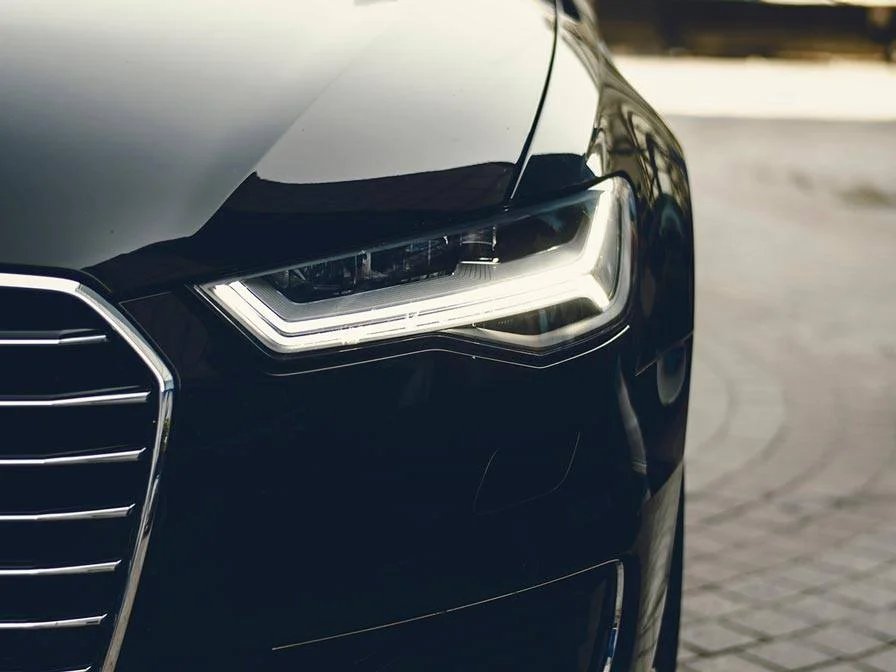
This situation is of concern to all stakeholders, from citizens of the European Union, to businesses using transport, to manufacturers looking for cleaner solutions and more sustainable ways to travel or transport goods.
Iveco, Volvo, MAN, Daimler, Scania, Ford and DAF signed an agreement late last year in which they pledge to phase out commercial vehicles using fossil fuels by 2040, a decade earlier than expected, and to focus on hydrogen, battery and clean biofuel technologies. This document reflects today’s realities, but the search for greener transport solutions has a long history.
From Euro 1 to zero emissions
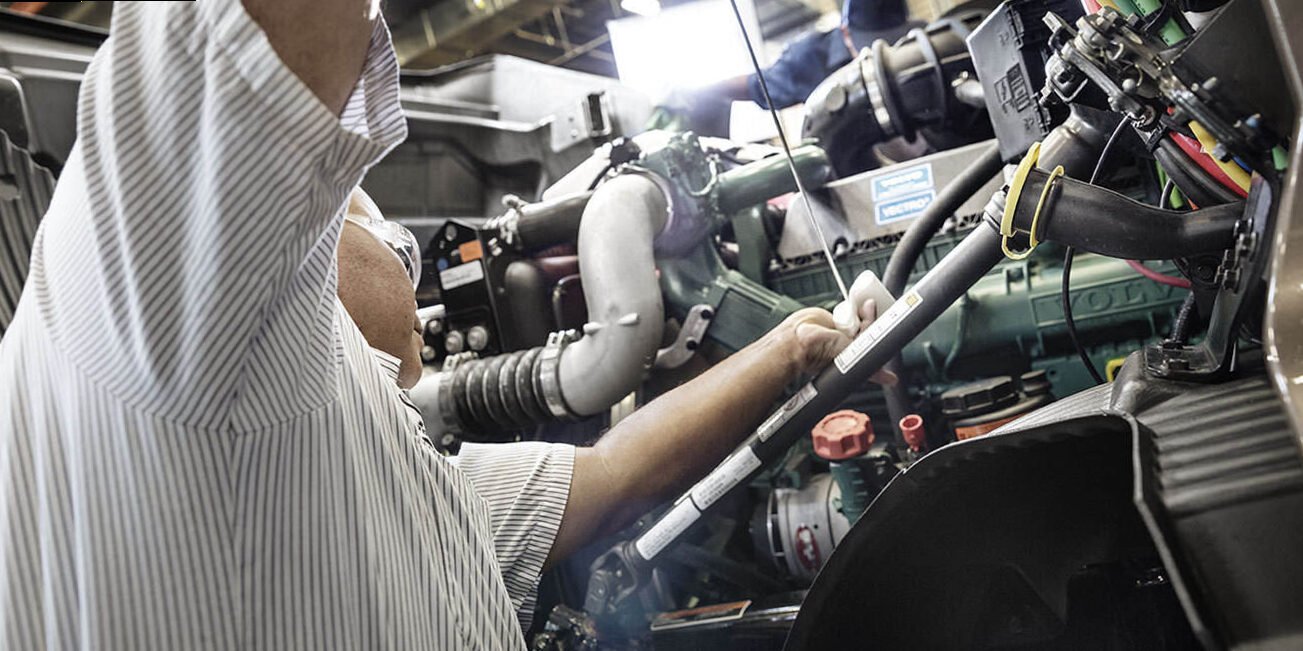
In Europe, the issue of car pollution began to be regulated in the 20th century. eventually when the emissions standardization system for manufacturers was introduced. Defines the limit quantities of emissions from vehicle engines, which must not be exceeded during methodological tests.
Different categories of cars had different pollution requirements, as well as different measurement methods, but the first “Euro 1” standard was introduced for all vehicles in 1992. The current “Euro 6” emissions standard came into force in 2013-2014. For the first time not only previously regulated emissions (carbon monoxide (CO), nitrogen oxides (NOX) and hydrocarbons (HC), but also the emission of extremely harmful particulates.
At the beginning of March this year the European Commission published proposals for the new “Euro 7” anti-pollution standard. It is expected to be the last emissions regulatory document. It is planned to ensure rules according to which every vehicle appearing on the market remains less polluting throughout its entire use cycle and allows the effective implementation of the EU’s green policy aspirations.
The final proposals of the “Euro 7” standard will be presented to the European Parliament for consideration in the middle of this year and are expected to enter into force around 2025.
Rising emissions standards have encouraged manufacturers to improve cars, but they have failed to control a major cause of climate change, carbon dioxide (CO2) is a drain. It was introduced in EU countries in April 2019 and 2020. The directive, which specifically covers CO2 emission standards for vehicles for 2025 and 2030: they are expected to decrease by 15 and 37.5% respectively compared to the indicators that will be recorded this year.
For tractor manufacturers, the directive sets requirements not only for CO2 emissions (15% reduction by 2025 and 30% by 2030), but also cabin safety and aerodynamic parameters.
Greater attention to heavy transport
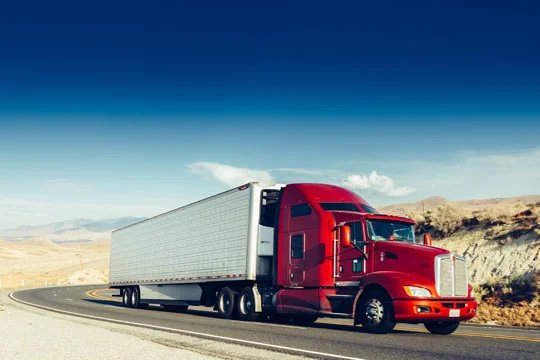
Although heavy transport represents only 25% of all road vehicles in the EU, it emits almost half of the total EU fleet of CO2 emissions. Furthermore, the number of road transport vehicles is increasing due to their convenience and versatility.
The new requirements will not only reduce emissions, but also fuel costs. It is estimated that by the end of the decade around 54 million tonnes of CO2 will not be released into the environment2and carriers will save about 25 thousand at service stations. euros in the first five years of use of the new tractor purchased in 2025 and approximately 55 thousand. euros in the same period after purchasing a new tractor in 2030.
The next review of the new standards for new tractors sold in the EU is scheduled for 2022. Traditionally, manufacturers are prepared in advance for future requirements. For example, Iveco prepared the first tractor compliant with the Euro 6 standard more than six years before its entry into force in 2007.
Look for alternatives
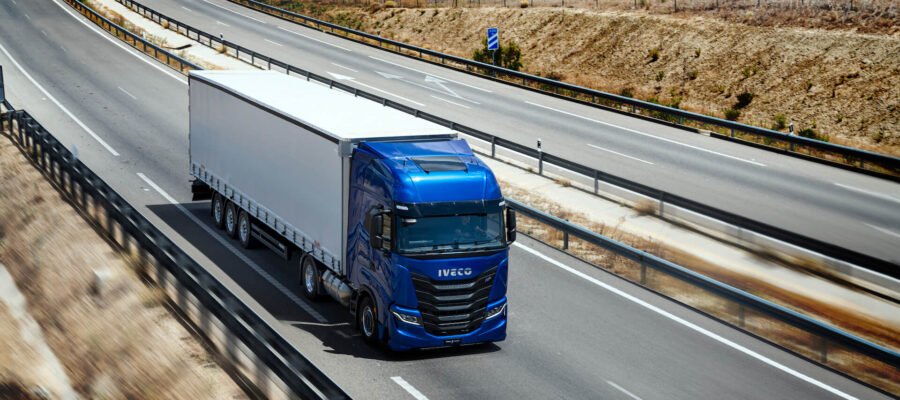
Another way to significantly reduce pollution is natural gas-powered transportation: trucks powered by compressed natural gas for short distances (from waste collection to goods delivery) and tractors powered by liquefied natural gas, which, like the Iveco S-Way NP, can travel up to 1.6 thousand miles on a single biomethane refill. kilometres.
Iveco introduced the first tractor powered by liquefied natural gas in 2012 and has continued to improve this technology, so much so that in 2018 and 2021 it was nominated for “International Sustainable Tractor of the Year” in Europe. According to the company’s calculations, using biomethane gas CO2 emissions are reduced by up to 95% compared to the diesel counterpart.
There is also talk of electrification of heavy vehicles, but progress in this area is much more modest than that of cars. Jack Allen, CEO of Proterra, a company that makes electric drives for commercial transportation, told US media that batteries work well in the passenger bus sector, but he is more skeptical when it comes to long-haul trucks.
“I think hydrogen is the most suitable for this type of transport, but we will see if this will be the case in the future, because batteries are becoming lighter and allow covering longer distances. Everything can change if their operating parameters soon become suitable for tractors and the possibility of replenishing energy reserves while driving is ensured,” Allen said.
Experts agree that battery electric motors are still significantly inferior to diesels in long-distance driving because they require frequent recharging. And the road to developing hydrogen infrastructure is very long, as the number of natural gas refueling stations on European highways is already growing by hundreds per year. Therefore, it is estimated that biofuels will help reduce emissions in the short term.
Major tractor manufacturers, together with the Institute for Climate Impact Research in Potsdam, Germany, are intensively searching for optimal solutions and urging countries to invest in the capacity of electricity grids. The director of the institute, Professor Johan Rockström, noted that decarbonisation of the transport sector is one of the most difficult challenges.
“This segment is the backbone of global society today, but we must admit that it depends a lot on internal combustion engines to ensure the delivery of goods in every sector,” Rockström stressed.
The green path strategy in the current period is well illustrated by the example of Amazon: the largest transporter in the United States has decided to purchase 6,000 natural gas-powered vehicles this year.
In Lithuania: the law on alternative fuels
Lithuania’s actions in this context are to a large extent foreseen by the Law on Alternative Fuels adopted in March, which sets guidelines for businesses and the public sector to reduce CO2 emissions2 emissions by increasing the share of renewable energy resources in the transport sector.
Fuel trading companies are required to constantly increase the share of fuel sold that comes from renewable energy sources. The share of these fuels will gradually have to constitute an increasing share of the total energy value of petrol and diesel supplied to the domestic market, which will have to reach 16.8% by 2030.
To this extent, the use of advanced biofuels and the share of non-biological liquid and gaseous fuels from renewable energy sources will increase. The law predicts that biogas or non-biological gaseous fuels from renewable energy sources will constitute an increasing share of the total volume of natural gas used in the transport sector and by 2030 will have to reach up to 16.8%.
The law also speaks of greater attention to the freight transport sector, expanding the network of natural gas refueling stations and encouraging the purchase of gas-powered vehicles, while ensuring the use of fuel from renewable energy sources.
latest posts published
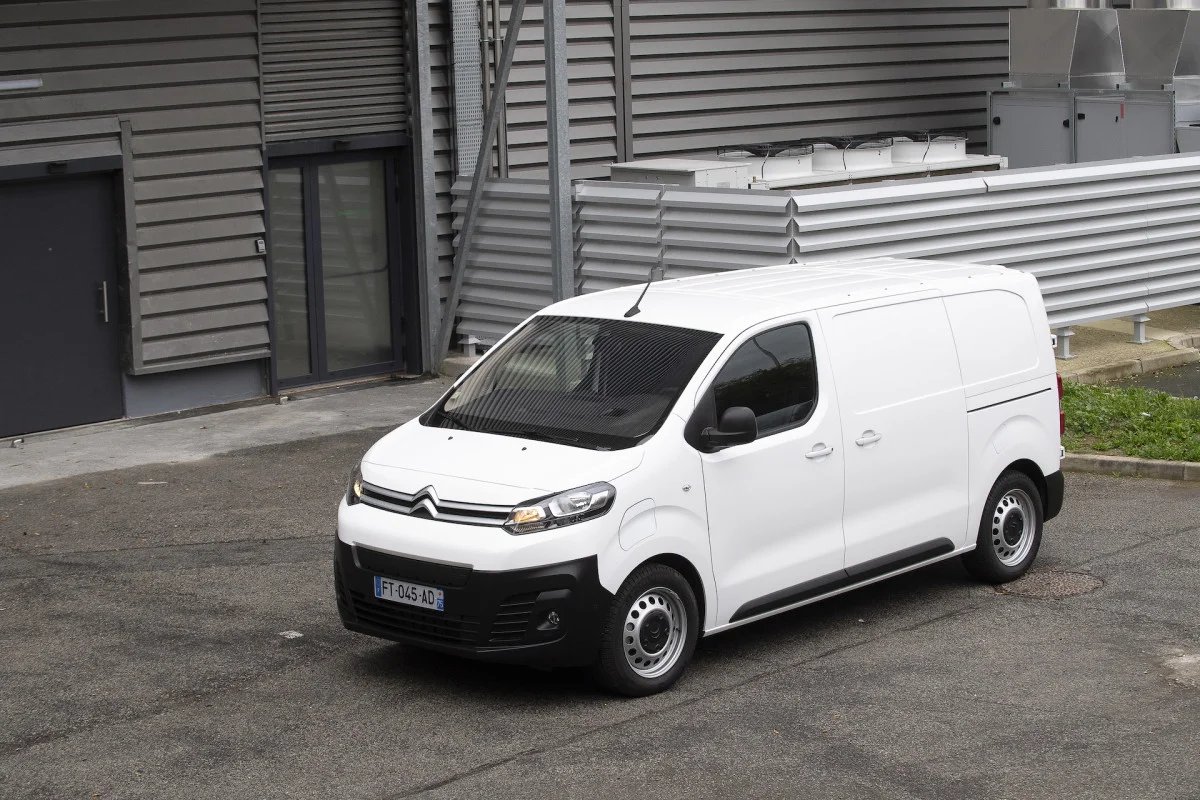
Citroën ë-Jumpy won the prestigious Millésime Trophy

The purpose and function of the stabilizer
Maintenance of vehicles (transporting dangerous goods)
The Lithuanian jubilee elections for “Car of the Year” have begun
Volkswagen presented the updated T-Roc

An intelligent wildlife warning system for motorists
Features of electric car charging with a simple click
Four ways to identify a sunken car

In the new city – 2 kilometers of new cycle paths, pedestrian paths are being renovated