
The extended range electric vehicle (EREV), developed by Scania and DHL, is ideal for solving these problems. Such a vehicle not only helps overcome the obstacles of electric mobility, but also enables DHL 80-90%. cover distances using electricity produced from renewable sources.
Replacing a diesel truck with an EREV model can reduce CO2 emissions by 80% or more. The specific amount of CO2 saved depends on how often the fuel-powered generator is used.
A fuel-powered generator replaces a battery pack
The new electric truck will be delivered to the postal and parcel service DHL in Germany and will be used to transport parcels in Berlin starting in February. Once DHL has tested the new vehicle for daily operations, it will decide how to continue filling the fleet.
A fuel-powered generator replaces one of the battery packs in an all-electric truck. The truck will not need this unit on many of the routes it covers, although it will reduce the distance traveled per charge. However, this will ensure a way to get additional energy in case the above-mentioned circumstances arise.
The non-stop range of such a vehicle is between 650 and 800 km (depending on the results of the Berlin test), and if necessary, the fuel reserve can be refilled at any regular petrol station. These results can be compared to the 550 kilometers that the most modern and industry-leading all-electric Scania trucks can travel with an equivalent maximum weight.
A pragmatic solution for more sustainable logistics
“It will take some time before the renewable electricity supply, transmission network and charging infrastructure become robust enough to fully rely on battery-powered trucks. This is especially true for large-scale systems like Germany’s DHL parcel network. Instead of waiting for that day to come, DHL and Scania are working together to find a pragmatic solution for more sustainable logistics.”
This vehicle represents a smart and practical solution as it can immediately contribute to reducing greenhouse gas emissions in the freight sector in the short term. This reduction should be reflected proportionately in the pricing of road tolls and in the emissions system of the EU transport fleet. We see this collaboration as a successful innovation project of two companies committed to the fight against climate change,” says Tobias Meyer, CEO of the DHL Group.
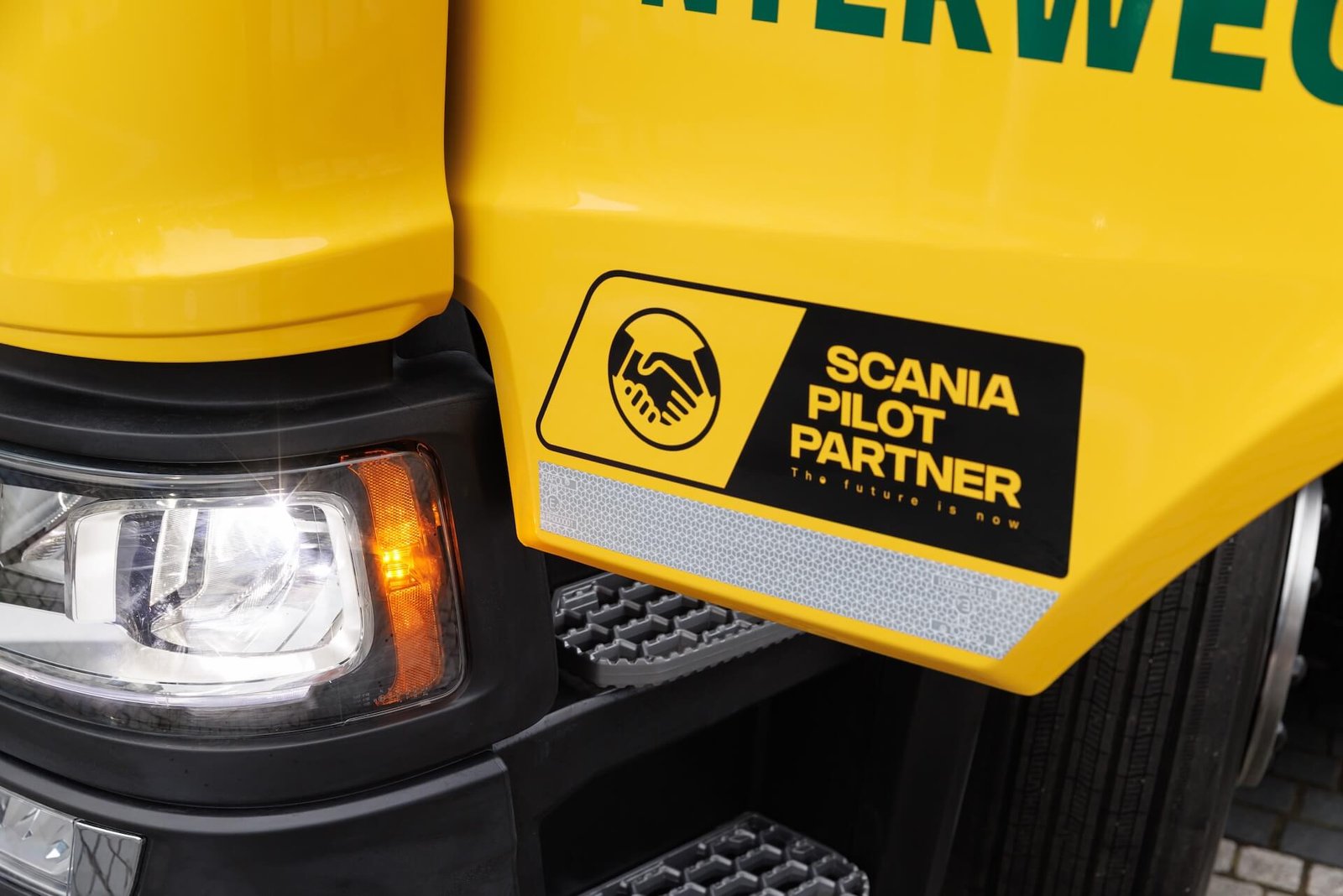
The EREV truck was developed by Scania Pilot Partner, which explores new technologies and solutions, in this case together with strategic partner DHL. Long-range electric vehicles represent a promising intermediate option to significantly reduce CO2, especially where infrastructure and other conditions for all-electric transport are lacking.
The main difference compared to a conventional hybrid heavy-duty vehicle is that this vehicle is primarily intended to be used as a conventional electric truck powered by charging power from the grid. Only in rare cases would the battery be charged using the generator.
EU and individual country legislators should recognize and promote this concept, i.e. adequately assess real emissions and reduce road tolls proportionally.
It should be an acceptable solution when building the infrastructure
“The future is electric, but on the path towards it we must not pit ‘perfect’ against ‘good’.” The vehicle we developed together with DHL is an example of temporary solutions that show how we can increase the volume of decarbonized heavy transport until we achieve 100% electrification of the system. For effective changes to occur, overall strategy makers should make these decisions and increase their investments in public infrastructure and conditions that promote use,” says Christian Levin, CEO of Scania.
The EREV is a 10.5 meter long truck with a maximum weight of 40 tonnes. It is powered by a 230 kW electric motor (peak power 295 kW). Energy is provided by a 416 kWh battery and a 120 kW petrol generator. Using the integrated generator, which is now powered by gasoline (a version using diesel and HVO fuel will also appear later), the truck has a range of up to 800 kilometers.
EREV trucks can be equipped with software that limits the use of the fuel-powered generator. Helps reduce CO2 emissions to a predetermined level. The maximum speed of the truck is 89 km/h and the loading capacity is approximately 1,000 packages (the volume of the loading cabin is interchangeable). The truck can also tow an optional convertible cargo cab trailer.
latest posts published
Citroën ë-Jumpy won the prestigious Millésime Trophy

The purpose and function of the stabilizer
Maintenance of vehicles (transporting dangerous goods)
The Lithuanian jubilee elections for “Car of the Year” have begun
Volkswagen presented the updated T-Roc

An intelligent wildlife warning system for motorists
Features of electric car charging with a simple click
Four ways to identify a sunken car

In the new city – 2 kilometers of new cycle paths, pedestrian paths are being renovated