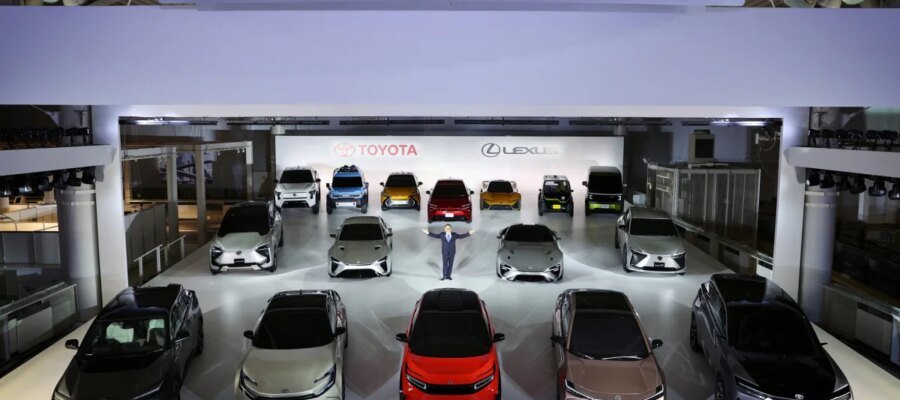
To achieve its carbon neutrality goal, Toyota will focus on improving electric vehicles and developing its electric vehicle lineup. Toyota announced this when releasing its new sustainable transportation strategy to the media.
Toyota CEO Akio Toyoda emphasized when announcing the new business plan that even after achieving carbon neutrality, people will continue to enjoy various conveniences. Therefore, Toyota is striving to reduce CO2 emissions as quickly as possible.
“In today’s diverse world, predicting the future is very difficult. There are no one-size-fits-all solutions, and Toyota will strive to provide customers worldwide with the widest possible range of choices,” Akio Toyoda pledged. “Toyota currently offers the most comprehensive selection of powertrains: including internal combustion engine vehicles, plug-in hybrid vehicles, electric vehicles, and hydrogen fuel cell vehicles.”
The priority is zero-emission electric cars
According to A. Toyoda, electrified cars should be divided into two categories depending on the energy used. If non-renewable energy was used to charge the batteries, total CO2 emissions will never be zero.
It is possible to reach the zero carbon emissions target for the operation of electric cars by using only clean electricity from renewable sources. Concern “Toyota” will pay special attention to zero-emission electrified vehicles.
The recently introduced new bZ4X model has become the first of these models. The car designed together with Subaru on the new platform specifically designed for electric cars will meet the needs of the most demanding customers. The SUV model will stand out for its maneuverability and extremely comfortable handling.
Toyota will start mass production of a next-generation electric car in the near future. At the same time, the new bZ battery electric vehicle range, which is being expanded, will soon be complemented by two further urban SUVs. One of these will be a mid-size SUV model with an elegant silhouette, while the second will be a compact urban crossover.
When designing the interior of the latter, special attention was paid to comfort, as it is extremely important for both buyers from the Japanese domestic market and Europeans who like smaller models.
He did his homework a lot earlier
Toyota engineers designing the new crossover aim to reduce energy consumption as much as possible.
Therefore, when developing the electric drive, the engineers aimed for maximum efficiency and for this they used all the experience accumulated over more than 30 years.
In 1997, it was Toyota that introduced the first mass-produced hybrid model – the Prius, but the first work on the transition to a new type of energy began even earlier. in 1992 an electric vehicle development department was founded, and four years later an electric version of the popular RAV4 city SUV appeared on the market. In the early 2000s, a small e-com electric car for local transportation was tested in various large cities.
In 2012, Toyota even presented two compact electric car prototypes: the extremely small Coms model and the slightly larger EQ. Already then, enormous efforts were made to thoroughly test the capabilities of cars with batteries that can be charged from the mains.
Now, using all available knowledge, Toyota engineers aim to create the entire bZ series range. Its first model is a compact SUV, whose average energy consumption would not exceed 0.125 kWh/1 km. If the specialists manage to achieve their goal, it will be the cheapest compact electric SUV on the market.
The new models will satisfy different needs
Toyota is also planning to introduce a mid-size electric sedan that will be part of the same bZ family. It should be extremely attractive to buyers looking for their first car. A large city SUV with a third row of seats is also in the works. This latest model will accommodate all family members and their personal effects, so it will be possible to go on leisure trips.
A. Toyoda noted that the Japanese company will not only electrify currently produced versions of models with internal combustion engines, but also quickly introduce new mass-produced electric cars. The latter will be offered at a truly affordable price. The new bZ series models are expected to meet the different needs of various customers.
“Toyota is committed to presenting customers around the world with electric cars with a unique and attractive design, characterized by driving pleasure and convenience of use,” said the head of the company.
It is expected that by 2030 the Japanese company’s electric car range will consist of a total of 30 models. These will not only be personal cars, but also light commercial models. The goal is to sell 3.5 million units per year within the next decade. electric vehicles marked with this mark.
Technological progress requires investments
Over the past 26 years, the Toyota Group has invested nearly 7.65 billion in electric propulsion technology. euro. During that time, the company produced more than 19 million batteries. To improve performance and lower prices, batteries are further improved. More than 15 billion are expected to achieve this goal. further investments of EUR.
Since 2006, Toyota’s sales department has carefully analyzed lithium mining. Since then, efforts have been made to ensure a stable supply of this precious metal.
Furthermore, for more than 30 years, the company has received part of the energy it uses from solar and wind systems. The use of energy from renewable sources is extremely important to achieve zero pollution in all of the company’s plants.
Toyota currently offers more than 100 different models with internal combustion engines, plug-ins and plug-in hybrid units in various markets around the world. Cars with hydrogen fuel cells are also mass-produced. The manufacturer’s representative offices currently operate in more than 170 countries and regions.
latest posts published
Citroën ë-Jumpy won the prestigious Millésime Trophy

The purpose and function of the stabilizer

Maintenance of vehicles (transporting dangerous goods)
The Lithuanian jubilee elections for “Car of the Year” have begun
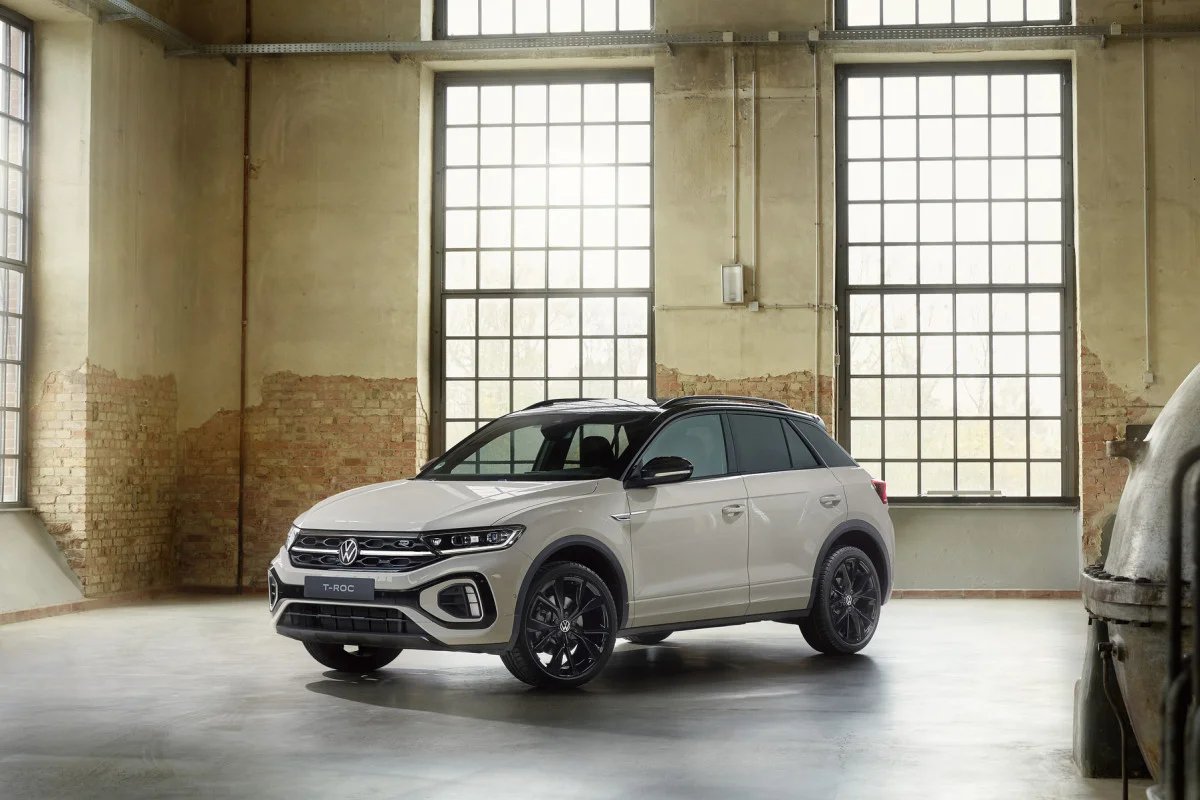
Volkswagen presented the updated T-Roc

An intelligent wildlife warning system for motorists
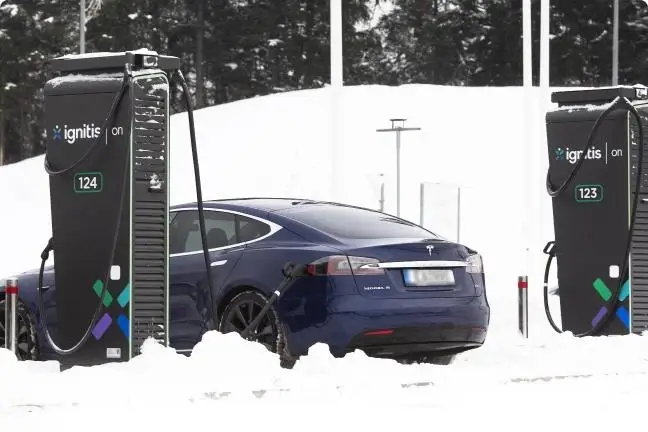
Features of electric car charging with a simple click
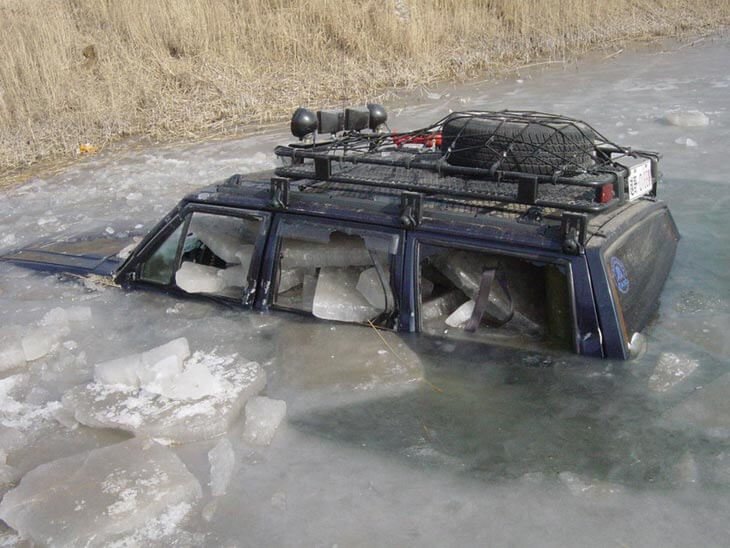
Four ways to identify a sunken car

In the new city – 2 kilometers of new cycle paths, pedestrian paths are being renovated